





What's Happening?
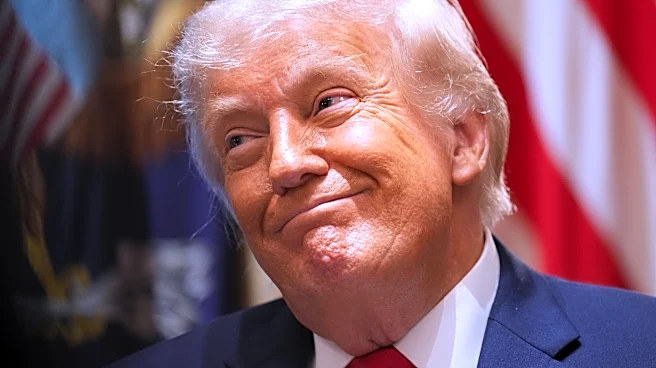
President Donald Trump has been declared in 'excellent health' following his latest medical checkup at Walter Reed National Military Medical Center. The assessment, released by the White House, was conducted by Sean P. Barbabella, the physician to the president.
The report highlights Trump's strong cardiac, pulmonary, neurological, and overall physical function. This evaluation comes after a series of diagnostic studies and consultations with 22 specialists over the past year. Despite his age, Trump, who is nearing 80, has faced questions about his health, particularly regarding recurrent bruising on his hands and swelling in his legs. The report attributes the bruising to frequent handshaking and aspirin use, though some independent physicians have expressed skepticism. Additionally, the report notes slight lower leg swelling, which has reportedly improved since last year. The medical report also includes an unusual claim that Trump's 'cardiac age' is 14 years younger than his actual age, based on an electrocardiogram.
Why It's Important?
The health of a sitting president is of significant public interest, as it directly impacts their ability to perform the duties of the office. President Trump's health assessments are particularly scrutinized due to his age and the physical demands of the presidency. The report's findings may reassure supporters about his capability to continue serving, especially as he approaches his 80th birthday. However, the skepticism from independent physicians regarding certain aspects of the report, such as the explanation for bruising and the concept of 'cardiac age,' highlights ongoing concerns and the need for transparency in presidential health disclosures. The health of a president can influence public confidence and political stability, making these assessments crucial for both domestic and international stakeholders.
What's Next?
While the report suggests President Trump is in good health, the ongoing scrutiny from independent physicians may lead to further discussions about the transparency and accuracy of presidential health reports. As Trump continues his duties, any changes in his health could prompt additional evaluations and public interest. The White House may need to address the concerns raised by independent experts to maintain public trust. Additionally, as Trump approaches his 80th birthday, there may be increased focus on his health and fitness to serve, potentially influencing political narratives and public perception.