






What's Happening?
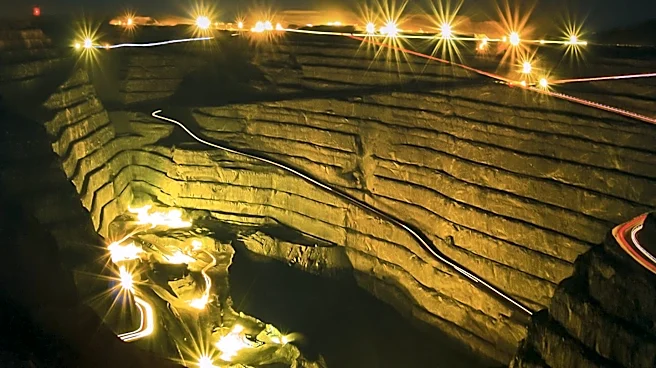
Indian conglomerate Adani has reported nearly $1 billion in revenue from its coal mining operations in Queensland, Australia, yet it has not paid any company tax. The Carmichael thermal coal operations, which began in 2021, have consistently used large
costs, including production and logistics expenses, to offset their revenue, resulting in a $340.6 million loss for the year. This financial structuring has allowed Adani to avoid corporate tax, despite previous promises that the project would contribute significantly to the economy through taxes and royalties. The company did pay $58 million in royalties to the government and $33.1 million to a related party. The project, located in the Galilee Basin, has been controversial due to environmental concerns and its approval was heavily contested.
Why It's Important?
The situation highlights significant issues within Australia's corporate tax structure, particularly concerning foreign entities. Adani's ability to avoid paying corporate tax despite substantial revenue raises questions about the effectiveness of current tax laws and the need for reform. This has broader implications for the Australian economy, as it suggests potential revenue losses that could have been used for public services. The case also underscores the ongoing debate over the environmental impact of coal mining and the balance between economic development and environmental protection. Stakeholders, including environmental groups and policymakers, may push for stricter regulations to ensure foreign companies contribute fairly to the economy.