



What's Happening?
Iranian authorities have transferred Nobel Peace Prize laureate Narges Mohammadi to a prison in northern Iran without prior notice, raising concerns about her health. Mohammadi, recognized for her long-standing activism against Iran's use of capital punishment
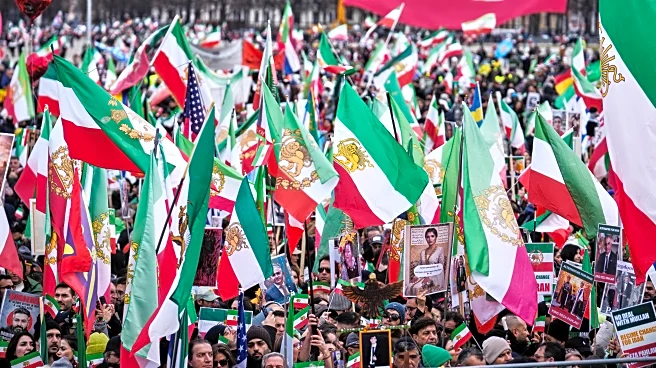
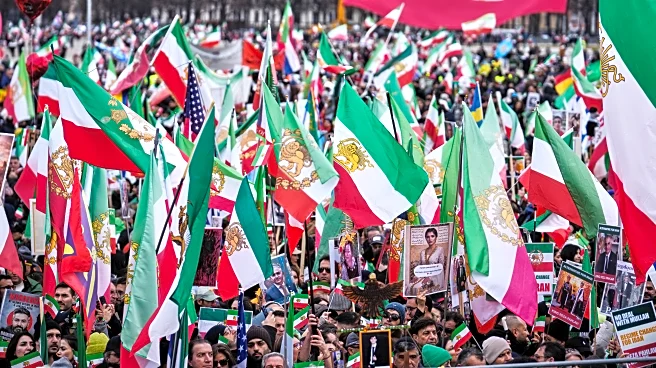
and mandatory dress codes for women, was arrested in December 2025 after criticizing the clerical authorities at a funeral. Her arrest preceded nationwide protests that peaked in January, leading to a severe crackdown by the authorities. Mohammadi has been subjected to harsh treatment, including physical abuse, during her detention. She recently went on a hunger strike to protest her conditions and was hospitalized before being returned to prison. The Norwegian Nobel Committee has expressed deep concern over her mistreatment. Mohammadi's transfer to Zanjan prison, where she has previously suffered ill-treatment, was carried out without informing her family or lawyer, according to her husband, Taghi Rahmani.
Why It's Important?
The transfer and treatment of Narges Mohammadi highlight ongoing human rights issues in Iran, particularly concerning the suppression of dissent and the treatment of political prisoners. Mohammadi's case has drawn international attention, with human rights organizations and the Nobel Committee condemning her mistreatment. This situation underscores the broader context of Iran's crackdown on protests and dissent, which has resulted in numerous deaths and arrests. The international community's response to Mohammadi's case could influence diplomatic relations and pressure on Iran to improve its human rights record. The situation also reflects the challenges faced by activists in Iran, who risk severe repercussions for their advocacy.
What's Next?
The international community, including human rights organizations and foreign governments, may increase pressure on Iran to address Mohammadi's treatment and broader human rights concerns. Diplomatic efforts could focus on securing her release and ensuring her safety. Within Iran, the government's handling of Mohammadi's case may impact domestic perceptions of the regime, potentially fueling further dissent. The situation could also influence future policy decisions regarding political prisoners and human rights in Iran.
Beyond the Headlines
Mohammadi's case raises ethical questions about the treatment of political prisoners and the role of international bodies in advocating for human rights. It also highlights the cultural and legal challenges faced by activists in Iran, where advocating for change can lead to severe consequences. The international response to her situation may set precedents for how similar cases are handled in the future, potentially influencing global human rights advocacy strategies.