





What's Happening?
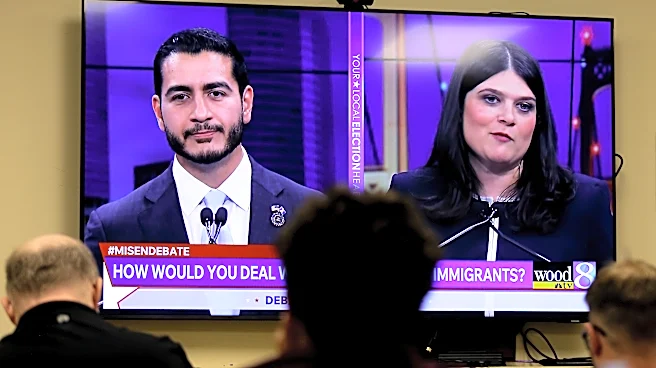
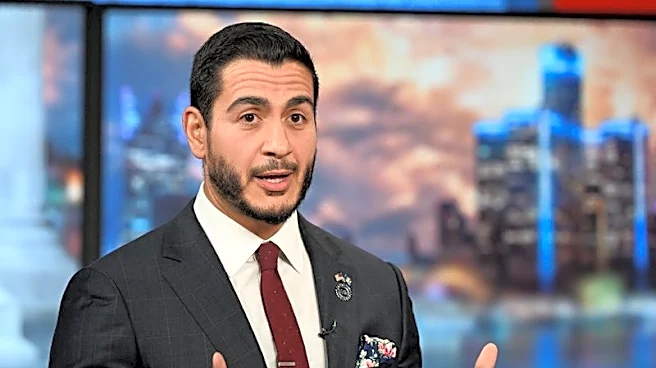
The Democratic primary for the U.S. Senate seat in Michigan is a pivotal moment for the party as it decides between progressive Abdul El-Sayed and centrist Haley Stevens. This race is part of a broader struggle within the Democratic Party to define its
future direction. El-Sayed, a former public health official, advocates for universal healthcare, while Stevens, a U.S. representative, represents a more moderate approach. The primary has attracted over $40 million in outside spending, with significant contributions from groups like the American Israel Public Affairs Committee.
Why It's Important?
The outcome of this primary could significantly influence the Democratic Party's strategy and policy priorities. A victory for El-Sayed would signal a shift towards more progressive policies, potentially energizing the party's base but also risking alienation of moderate voters. Conversely, a win for Stevens could reinforce a centrist approach, appealing to a broader electorate but possibly dampening enthusiasm among progressives. The race is also critical for the Democrats' efforts to regain control of the U.S. Senate, where Republicans currently hold a majority.
What's Next?
Following the primary, the winner will face Republican Mike Rogers in the general election. The Democratic candidate's ability to unify the party and appeal to a diverse voter base will be crucial in a state that has been a battleground in recent elections. The broader implications of this primary will likely influence Democratic strategies in other states as the party seeks to consolidate power and advance its legislative agenda.