





What's Happening?
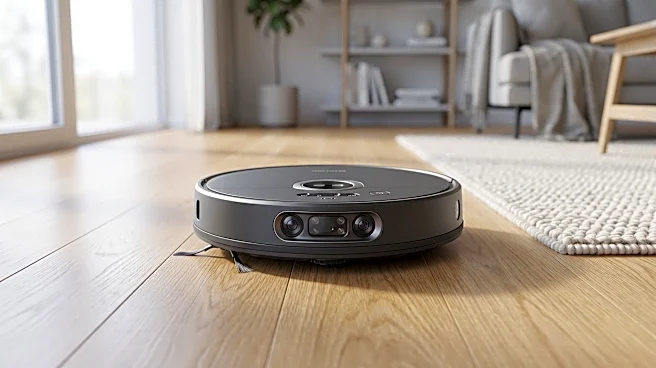
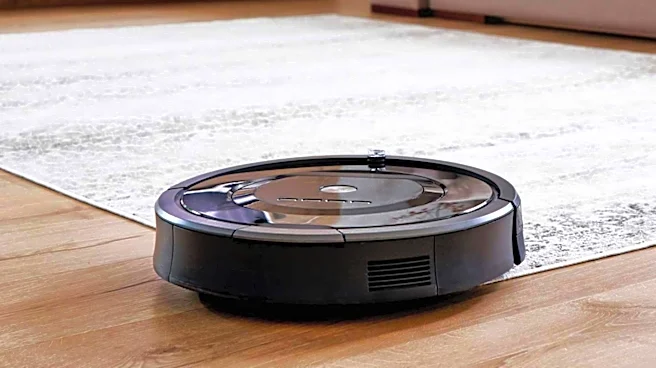
An unofficial community-built integration for Kärcher robot vacuums has been developed for Home Assistant, providing real-time control and state monitoring. This integration utilizes the same MQTT/REST cloud protocol as the official Kärcher app, with
optional Apple Home support via Matter. The RCV 5 model served as the reference for reverse-engineering the protocol, though several other Kärcher models are supported, including the RVM 4 Comfort, RCV 3, RCF 3, RCV 2, RVC 3, RVC 3 Comfort, RVF 7, and RVF 7 Comfort. The integration allows users to start, pause, and stop cleaning, return the robot to its base, check battery levels, and select rooms for cleaning. It also offers control over fan speed, cleaning mode (vacuum, vacuum & mop, mop), and mop water level. Consumable life sensors for brushes, filters, and mop pads are included, along with buttons to reset them. The integration provides a live floor plan map image with room labels and per-room cleaning preferences.
Why It's Important?
This development is significant for U.S. consumers who own Kärcher robot vacuums and utilize Home Assistant for smart home automation. It enhances the functionality and integration of these devices within a broader smart home ecosystem, offering a centralized control point that was previously unavailable through official channels. By enabling real-time control and detailed status updates, users can more effectively manage their cleaning routines and monitor device performance. The inclusion of Apple Home support via Matter further broadens accessibility, allowing users to integrate their Kärcher vacuums into Apple's smart home platform. This community-driven initiative demonstrates the growing demand for interoperability and user control over smart home appliances, potentially influencing manufacturers to offer more open and integrated solutions in the future. It empowers users with greater flexibility and customization beyond the limitations of proprietary apps.
What's Next?
The integration is designed to be compatible with Home Assistant 2026.10.0 or newer and requires a Kärcher app account (EU, US, or CN region). Users can install it via HACS (Home Assistant Community Store) or manually. Future developments may include broader support for additional Kärcher models as community verification continues. The integration's reliance on the 3iRobotix cloud means that internet outages or vendor-side maintenance could affect its functionality. Users should be aware that cleaning schedules can only be set within the official Kärcher app, and custom-path cleaning or no-go zone editing are not supported through this integration. The developers welcome contributions for additional Home Assistant languages and model support, indicating ongoing community involvement and potential for further enhancements.
Beyond the Headlines
The creation of this unofficial integration highlights a broader trend in the smart home industry: the desire for open standards and greater interoperability among devices. While manufacturers often develop proprietary ecosystems, community efforts like this demonstrate the demand for users to have more control and flexibility over their smart appliances. This can lead to discussions about data privacy and security, as unofficial integrations rely on reverse-engineered protocols. The fact that the MQTT is encrypted but not authenticated raises a security consideration, as the server's identity is not checked. This situation underscores the ongoing tension between proprietary control and user-driven innovation in the connected home landscape, potentially pushing manufacturers to consider more open APIs and standardized protocols to meet consumer expectations for seamless integration and enhanced functionality.