



What's Happening?
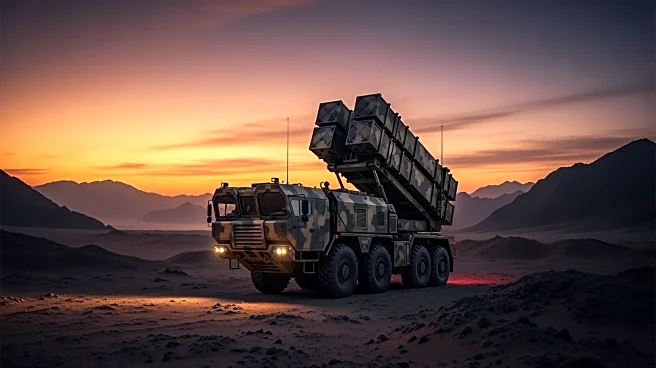
The U.S. military has increased its defensive posture at the al-Udeid Air Base in Qatar by deploying Patriot missiles in mobile launchers, as tensions with Iran escalate. Satellite images analyzed by experts show that these missiles, previously stationed
in semi-static positions, are now mounted on mobile trucks, allowing for rapid deployment. This strategic move comes amid heightened threats from Iran, which has warned of retaliatory strikes against U.S. bases if attacked. The decision to enhance mobility of the missile systems reflects growing concerns over potential Iranian aggression, particularly in light of President Trump's threats to target Iran over its nuclear and missile programs.
Why It's Important?
The repositioning of U.S. missile defenses in Qatar underscores the volatile nature of U.S.-Iran relations and the potential for military conflict in the region. By enhancing the mobility of its defense systems, the U.S. aims to better protect its assets and personnel in the Middle East. This development could impact global oil markets and regional stability, as any military confrontation could disrupt oil supplies and escalate into a broader conflict. The move also signals to Iran and other regional actors that the U.S. is prepared to respond swiftly to any threats, potentially deterring aggressive actions.
What's Next?
The U.S. military's actions may prompt further diplomatic efforts to de-escalate tensions with Iran, as both nations have expressed a desire to avoid war. However, the increased military readiness could also lead to a cycle of escalation, with Iran potentially enhancing its own defensive measures. Regional allies and adversaries will closely monitor the situation, and any miscalculation could trigger a broader conflict. The international community may call for renewed negotiations to address the underlying issues, including Iran's nuclear ambitions and regional influence.