



What's Happening?
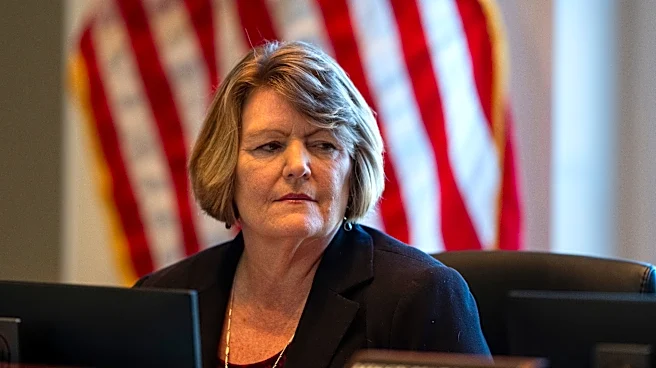
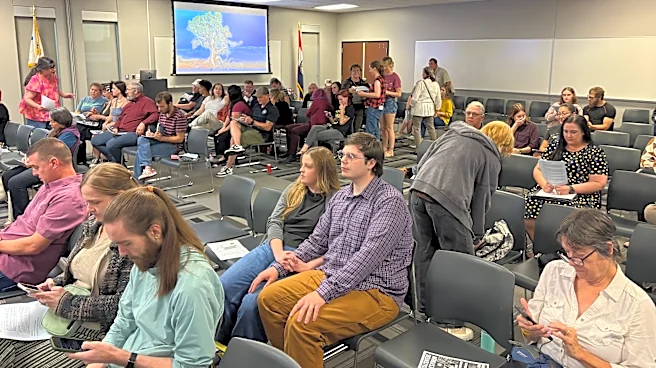
The Luzerne County Council has voted against a proposal to sell a portion of the county's railroad tracks to R.J. Corman Railroad Group. This decision was made during a meeting at the Luzerne County Courthouse, which saw a large turnout of residents.
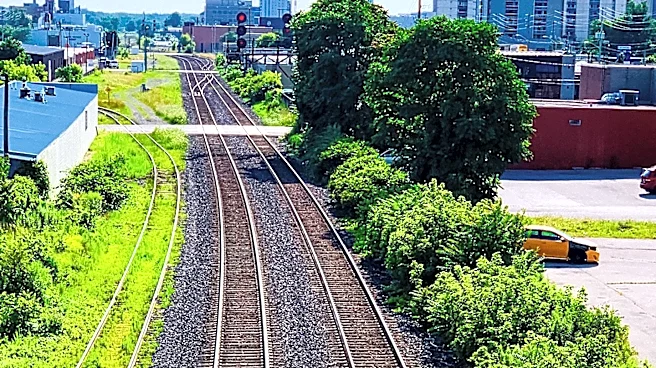
Many attendees expressed a preference for the tracks to be sold to Reading and Northern, a company that has pledged to improve the tracks and introduce rail excursions to Wilkes-Barre. The specific stretch of track is currently owned by the Luzerne County redevelopment authority, which had initially recommended selling it to R.J. Corman, the current operator primarily using the tracks for freight transport. Nick Bonk from Underground Miners highlighted the community's desire to see Reading & Northern return, emphasizing their commitment to preserving history and bringing passenger service back to Pittston and Wilkes-Barre. Tyler Glass, Executive Vice President of Operations for Reading & Northern Railroad, also noted their existing presence and desire to expand passenger service further into Luzerne County communities.
Why It's Important?
This decision by the Luzerne County Council carries significant implications for local transportation, economic development, and historical preservation in the region. The rejection of R.J. Corman's proposal, despite the redevelopment authority's recommendation, signals a strong community preference for a different vision for the rail line. If Reading and Northern were to acquire the tracks, their commitment to improving infrastructure and introducing passenger rail excursions could boost local tourism and provide new transportation options for residents. This could lead to increased economic activity in areas like Wilkes-Barre and Pittston, potentially creating jobs and supporting local businesses. Conversely, R.J. Corman's Chief Strategy Officer, Korey Colyer, stated that selecting R.J. Corman would not preclude future excursion opportunities, suggesting that the council's decision might be seen as a missed opportunity for a more immediate and freight-focused solution by some. The outcome will determine the future use and accessibility of a key piece of regional infrastructure, impacting both commercial freight operations and potential public recreational services.
What's Next?
Following the Luzerne County Council's rejection, the Luzerne County redevelopment authority now faces a deadline until early October to propose an alternative buyer for the rail line. If the authority fails to settle on a buyer by this time, ownership of the tracks will revert to Luzerne County. This period will likely involve further negotiations and considerations of other potential purchasers, with Reading and Northern being a prominent contender given the public's expressed interest. The redevelopment authority will need to weigh various factors, including financial offers, proposed operational plans, and community benefits, to make a new recommendation. The decision will ultimately shape the future of rail service in the county, influencing whether the focus remains primarily on freight or expands to include passenger and excursion services, as advocated by many residents and Reading & Northern.
Beyond the Headlines
The debate over the sale of the Luzerne County rail line highlights a broader tension often seen in local governance: balancing economic efficiency with community interests and historical preservation. While the redevelopment authority initially favored R.J. Corman for its freight operations, the public's strong support for Reading and Northern underscores a desire for services that offer cultural and recreational value, such as passenger excursions. This situation reflects how local infrastructure decisions can become focal points for community identity and aspirations, moving beyond purely commercial considerations. The outcome could set a precedent for how similar assets are managed in other regions, emphasizing the importance of public input in decisions that affect local heritage and quality of life. It also illustrates the power of grassroots advocacy in influencing governmental decisions, demonstrating that community voices can significantly impact the direction of local development projects.