





What's Happening?
Taras Bublyk, CEO of Ukrainian electronic-warfare firm UNWAVE, has issued a warning to European countries regarding their defense strategies against modern drone threats. Bublyk argues that Europe risks making costly mistakes by investing in expensive
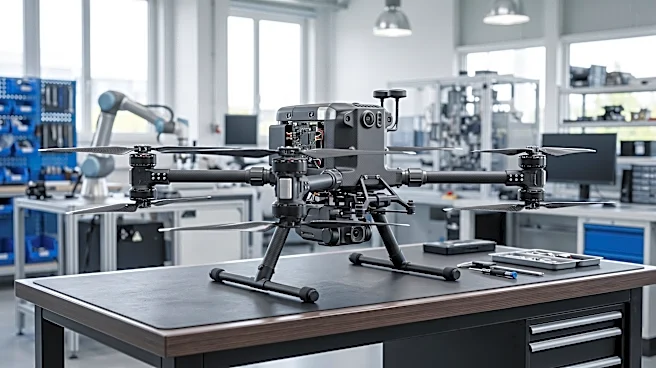
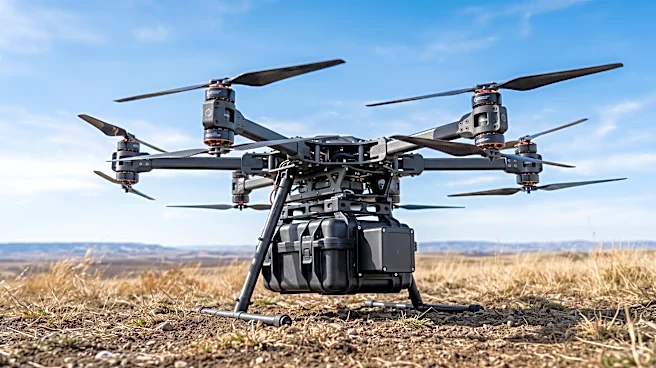
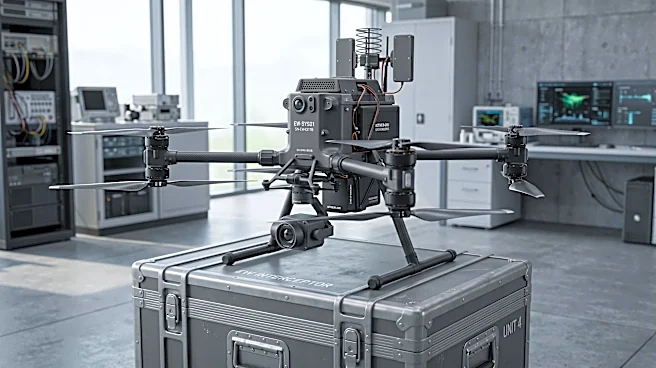
systems that may prove ineffective against relatively cheap drones. He emphasizes that the core problem lies in the disproportionate cost between the threat (inexpensive drones) and the countermeasures (costly missiles). According to Bublyk, a sustainable defense requires countermeasures that are affordable, produced in sufficient quantity, and integrated into a single, layered system. He advocates for a defense strategy that combines detection, electronic warfare, interceptor drones, physical barriers, and conventional air defense, ensuring that cheaper methods are used when appropriate to avoid expending expensive missiles on inexpensive targets. Bublyk stresses the importance of learning from Ukraine's real-world combat experience.
Why It's Important?
Bublyk's warning is crucial for European nations as they increase their defense budgets in response to evolving security threats. Misallocating funds to ineffective or unsustainable defense systems could leave critical infrastructure vulnerable and deplete resources without achieving adequate protection. The economic principle he highlights—that the cost of countering must be proportionate to the cost of the threat—is fundamental for long-term defense planning. If European countries fail to adopt a cost-effective, layered defense strategy, they risk being overwhelmed by drone attacks, both financially and operationally. This could have significant implications for national security, economic stability, and public confidence. Ukraine's combat experience offers valuable lessons that, if heeded, could save European nations considerable resources and enhance their defensive capabilities against modern drone warfare.
What's Next?
European countries are likely to face increasing pressure to re-evaluate their defense procurement strategies and consider integrating lessons learned from the conflict in Ukraine. This could lead to a shift in investment towards more affordable and integrated counter-drone technologies, including electronic warfare systems and interceptor drones. There may also be a push to streamline regulatory frameworks concerning the use of electronic warfare, ensuring that systems can be activated rapidly in emergencies. Defense-tech companies, particularly those specializing in electronic warfare and drone countermeasures, may see increased demand for their products and expertise. Collaboration between European nations and Ukrainian defense firms could also increase, facilitating the transfer of combat-proven knowledge and technology. The ongoing threat of drone attacks will likely drive continuous innovation and adaptation in defense strategies across the continent.
Beyond the Headlines
The issue raised by Bublyk extends beyond mere military procurement; it highlights a fundamental challenge in modern defense: adapting to rapidly evolving, asymmetric threats. The 'missile for every drone' dilemma underscores how technological advancements can disrupt traditional military doctrines and economic models of defense. This situation also brings to light the importance of real-world combat experience in shaping effective defense strategies, contrasting with theoretical or peacetime planning. Furthermore, the warning points to potential regulatory hurdles in deploying advanced defense technologies, such as restrictions on electronic warfare, which could impede rapid response during an actual attack. Addressing these issues requires not only technological solutions but also policy reforms, international cooperation, and a willingness to learn from ongoing conflicts to build resilient and cost-effective defense systems for the future.