






What's Happening?
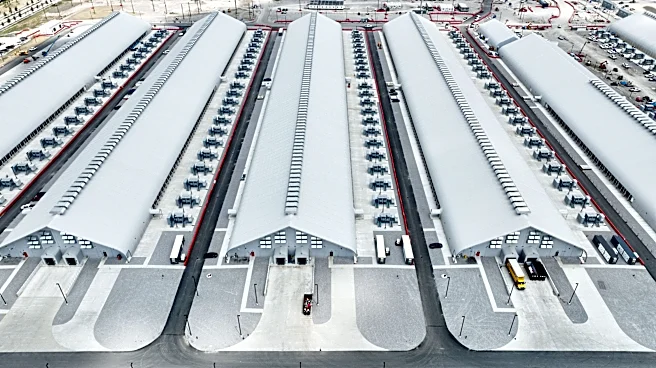
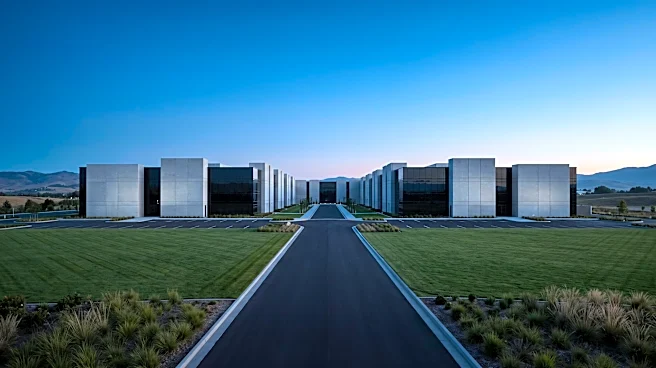
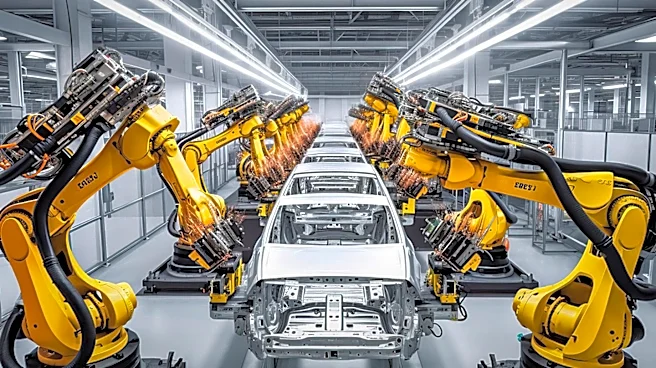
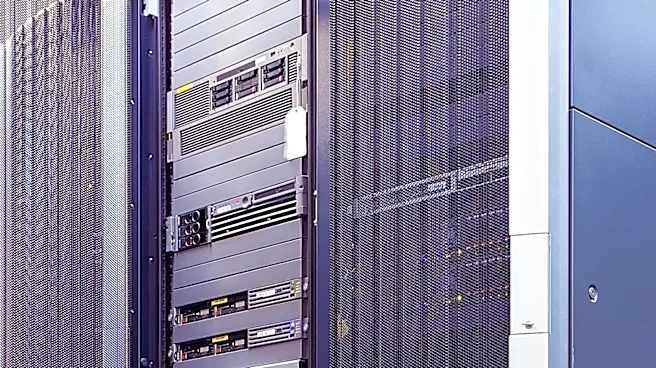
The United States is facing a critical need for reliable electricity to support the rapid expansion of data centers driven by the artificial intelligence (AI) boom, as well as a renewed push for domestic manufacturing, expanded defense production, and critical mineral
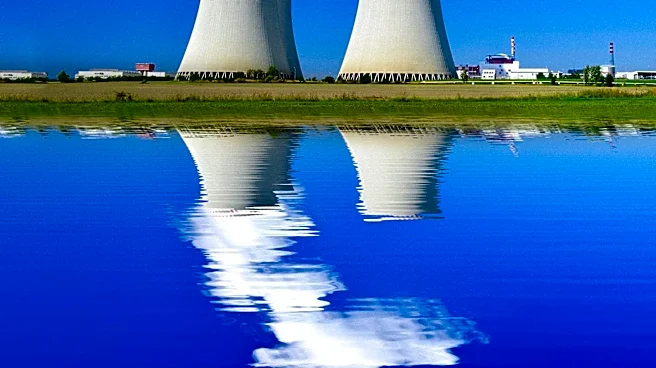
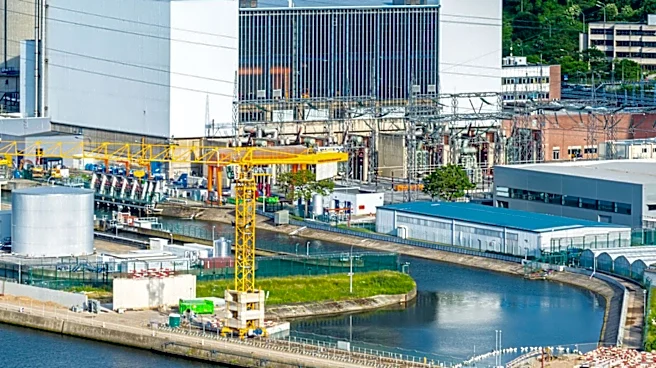
processing. Policymakers are increasingly recognizing nuclear energy as a vital solution to meet these escalating power demands. Nuclear power offers continuous, baseload electricity generation with a relatively compact physical footprint, unlike intermittent renewable sources. However, the U.S. faces challenges in the speed and cost of building new nuclear capacity, with regulatory and permitting systems often leading to lengthy delays and significant cost overruns, as exemplified by Georgia's Vogtle plant.
Why It's Important?
The ability to generate sufficient and reliable electricity is paramount for the U.S. to maintain its leadership in the AI race and achieve its industrial ambitions. Without adequate power infrastructure, the country's technological and manufacturing growth could be severely hampered. The current reliance on traditional energy sources may not be sustainable for the projected energy needs of AI data centers and new factories. A nuclear revival could provide a stable and abundant power supply, fostering economic productivity, scientific research, and national security. The high costs and delays associated with current nuclear plant construction in the U.S. pose a significant barrier, potentially putting the nation at a disadvantage compared to countries like China, which are rapidly expanding their nuclear fleets.
What's Next?
Policymakers are urged to reconsider the role of nuclear energy in the national conversation, focusing on streamlining regulatory barriers while maintaining safety standards. There is a call to encourage the development of 'nuclear lifecycle campuses' that integrate used-fuel management, recycling, fuel production, advanced reactors, and major electricity customers. This integrated approach aims to make nuclear deployment faster, more efficient, and economically viable. The U.S. also needs to explore advanced recycling technologies for its nearly 100,000 metric tons of used nuclear fuel, viewing it as a potential energy resource rather than just a liability. The success of these initiatives will determine whether the U.S. can build the necessary industrial foundation for the next generation of technology and compete effectively in the global AI landscape.
Beyond the Headlines
The debate over nuclear energy extends beyond mere electricity generation; it is a strategic competition. The country that controls advanced computing capacity, underpinned by robust power infrastructure, will gain significant advantages in economic productivity, scientific research, defense, and national security. The current situation highlights a disconnect between America's technological ambitions and its physical infrastructure capabilities. The challenge is not a lack of capital or expertise, but a willingness to overcome bureaucratic hurdles and accelerate major nuclear projects. The decision to seriously pursue a nuclear revival is not just an energy policy choice but a fundamental question of whether the U.S. is prepared to build the industrial foundation required to sustain its technological leadership in the AI age.