




What's Happening?
UN Secretary-General's Personal Envoy for Sudan, Pekka Haavisto, announced that diplomatic efforts to resolve Sudan's civil war are intensifying, despite ongoing hostilities. Following a two-day consultative meeting in Geneva, co-hosted by the United
Nations and Switzerland, Haavisto highlighted growing international engagement with Sudanese political actors. He noted a successful visit to Khartoum in September and subsequent meetings with various political groups, women, and youth representatives. Two nascent confidence-building measures are under UN exploration: potential exchanges of prisoners of war and detainees (both civilian and military), and efforts to facilitate students' access to examinations regardless of their location. Haavisto cautioned that some parties still believe in a military solution, a notion the international community rejects, emphasizing that there is no military solution to the conflict.
Why It's Important?
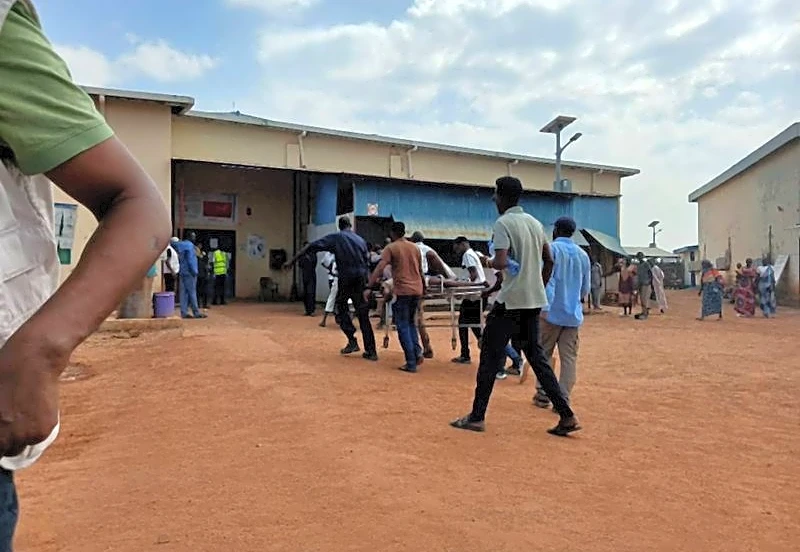
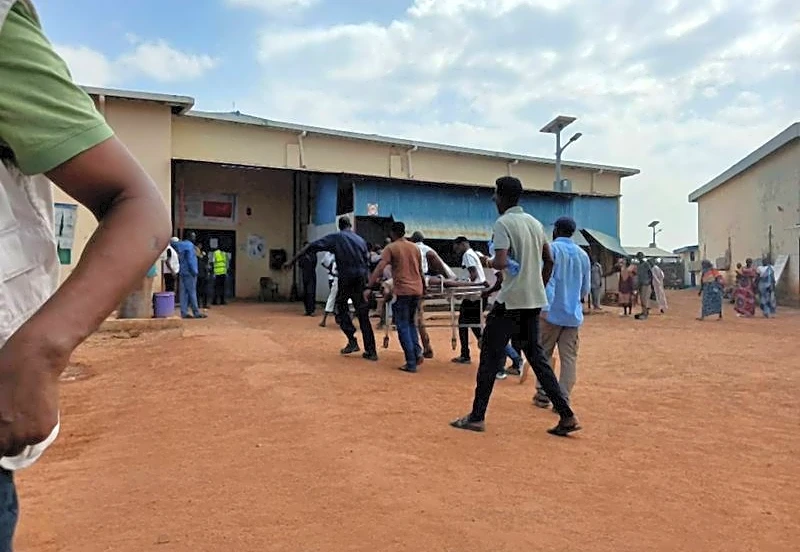
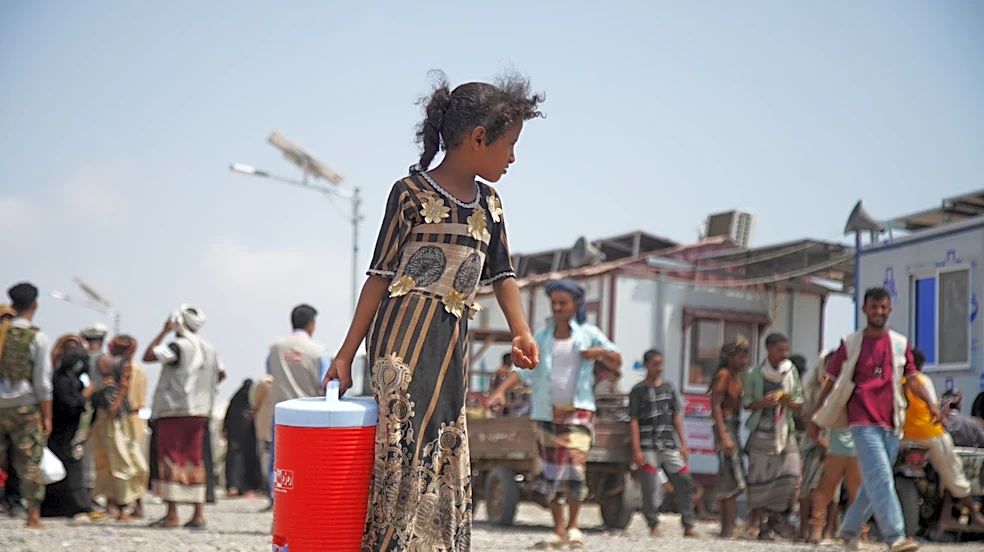
The intensified diplomatic push for peace in Sudan is crucial given the severe humanitarian crisis and continued civilian suffering. The conflict, which has displaced approximately 14 million people and left 34 million dependent on humanitarian assistance, extends its consequences beyond Sudan's borders. The international community's coordinated efforts, involving 21 countries and five international institutions, aim to establish an inclusive, Sudan-owned, and Sudan-led peace process. The focus on confidence-building measures, such as prisoner exchanges and educational access, represents vital 'baby steps' towards de-escalation and fostering trust between warring factions. However, the persistent belief among some parties that a military victory is achievable poses a significant challenge, threatening to prolong the conflict and undermine diplomatic progress. The involvement of major international bodies like the Quad and Quintet underscores the global recognition of the conflict's gravity and the urgent need for a political resolution.
What's Next?
The diplomatic efforts will continue to focus on establishing an inclusive peace process, with further coordination between international bodies like the Quad and Quintet. The proposed confidence-building measures, including prisoner exchanges and facilitating student access to exams, will be pursued as initial steps to de-escalate tensions. The UN and its partners will likely continue to press all parties to abandon the pursuit of a military solution and engage meaningfully in negotiations. Future meetings will aim to build on the Geneva discussions, focusing on security arrangements, humanitarian truces, and potential ceasefires. The international community will also likely increase pressure on external actors supplying weapons to the warring parties, as highlighted by UN demands for greater accountability. The ultimate goal remains a comprehensive peace agreement that is sustainable and addresses the root causes of the conflict.
Beyond the Headlines
The ongoing conflict in Sudan, despite intensified diplomatic efforts, reveals a deeper challenge in resolving protracted civil wars where internal factions remain committed to military solutions. The 'baby steps' approach to confidence-building, while necessary, underscores the immense difficulty of bridging deep-seated mistrust and animosity. The involvement of numerous international actors, while beneficial for coordination, also highlights the complexity of achieving consensus and unified action among external stakeholders. The conflict's impact on education, as evidenced by efforts to facilitate student examinations, points to the long-term societal damage beyond immediate casualties, threatening the future generation's prospects. The international community's repeated assertion that there is 'no military solution' reflects a broader lesson from global conflicts, yet its acceptance by warring parties remains a critical hurdle, often requiring sustained pressure and incentives.