





What's Happening?
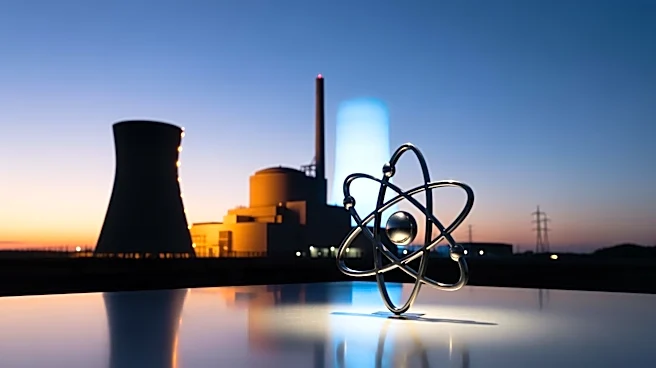
New Jersey has officially repealed its decades-old moratorium on building new nuclear reactors, becoming the sixth state in the past decade to do so. The decision, signed into law by Democratic Governor Mikie Sherrill, comes in response to increasing
electricity demand and challenges in expanding offshore wind capacity. The new legislation allows for the construction of at least a gigawatt of new nuclear capacity, with provisions for temporary on-site storage of spent fuel waste. This move aligns with a broader trend in the U.S. towards embracing nuclear energy as a reliable power source.
Why It's Important?
The repeal of the nuclear moratorium in New Jersey is a significant development in the U.S. energy landscape. As states grapple with the dual challenges of meeting rising energy demands and reducing carbon emissions, nuclear power offers a viable solution due to its low carbon footprint and high reliability. This decision could set a precedent for other states considering similar measures, potentially leading to a resurgence in nuclear energy projects across the country. It also highlights the ongoing debate over nuclear waste management and the need for sustainable solutions.
What's Next?
With the moratorium lifted, New Jersey is poised to begin the permitting process for new nuclear plants. This will involve addressing regulatory, environmental, and community concerns. The state may also need to invest in infrastructure and workforce development to support the expansion of nuclear energy. Additionally, the success of this initiative could influence energy policy discussions at the national level, particularly in regions facing similar energy challenges.