
What's Happening?
The global energy landscape is undergoing a significant transformation, driven by a projected 40% increase in electricity demand by 2035. The International Energy Agency (IEA) highlights the need for a multi-technology
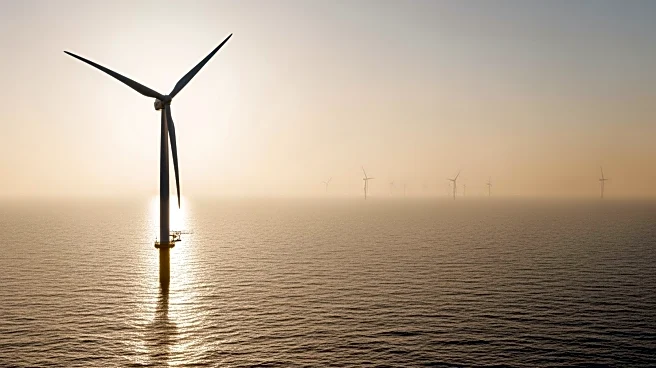
approach, including nuclear, geothermal, gas, offshore wind, and fusion, to meet this demand while addressing climate change. Nuclear energy is experiencing a renaissance, with over 70 GW of new capacity under construction. Small modular reactors (SMRs) are gaining traction, particularly for powering data centers. The report also emphasizes the role of geothermal and fusion energy, alongside natural gas and offshore wind, in ensuring energy security and reducing emissions.
Why It's Important?
The transition to a cleaner energy system is crucial for mitigating climate change and ensuring energy security. The integration of diverse energy sources, including nuclear and renewables, is essential to meet rising demand and reduce carbon emissions. The development of SMRs and advancements in geothermal and fusion technologies could provide reliable and sustainable energy solutions. This transition also presents economic opportunities, with significant investments in clean energy technologies and infrastructure. However, challenges such as workforce shortages and supply chain constraints must be addressed to achieve these goals.
What's Next?
The energy transition will require coordinated efforts from governments, industry, and the workforce to accelerate the deployment of clean energy technologies. Investments in research and development, as well as policy support, will be critical to overcoming technical and economic barriers. The IEA's projections indicate that achieving climate goals will necessitate a rapid scale-up of renewable energy capacity and improvements in energy efficiency. The global community will need to collaborate to ensure a sustainable and equitable energy future.