



What's Happening?
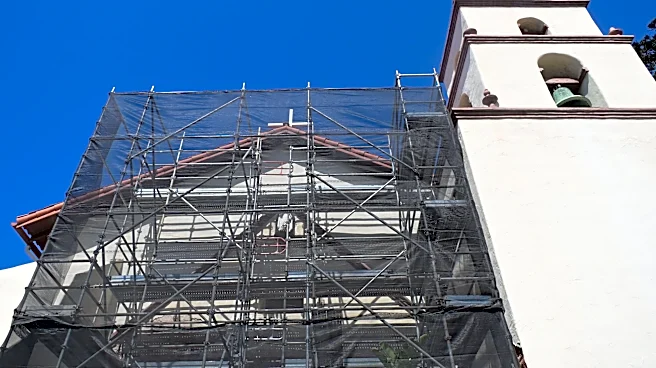
The Archdiocese of New York has declined a $100,000 donation from the organizers of the annual San Gennaro Festival, intended for the upkeep of the Most Precious Blood church in Little Italy. The church, which is 122 years old and holds significant cultural
importance for the Italian-American community, has been merged with the Basilica of Old St. Patrick’s Cathedral. John Fretta, a vice president of the San Gennaro Festival, expressed surprise at the refusal, stating that the funds were specifically earmarked for Most Precious Blood. Mike Verra, a board member of the festival, noted that the Catholic Church rarely refuses donations. The check was initially accepted by Father Daniel Ray, pastor of Old St. Patrick’s Cathedral, but Bishop Edmund Whalen, Vicar General of the Archdiocese, reportedly ordered its return without providing a reason. This refusal has fueled speculation regarding the Archdiocese's long-term plans for the historic church.
Why It's Important?
This decision by the Archdiocese of New York carries significant implications for the cultural heritage of Little Italy and the broader Catholic community in the city. The Most Precious Blood church is not merely a place of worship but a cornerstone of Italian-American identity and tradition, particularly through its association with the San Gennaro Festival. The refusal of a substantial donation, especially one designated for the church's preservation, raises concerns among community members about the potential sale or closure of the church. This situation highlights the ongoing challenges faced by historic religious institutions in urban areas, often caught between financial pressures and the desire to preserve cultural landmarks. The speculation about a potential sale to developers, possibly to fund a sexual abuse survivor fund, underscores the complex ethical and financial dilemmas confronting the Archdiocese. The community's attachment to the church suggests that any move to sell it would likely be met with strong opposition, potentially leading to public outcry and further scrutiny of the Archdiocese's asset management practices.
What's Next?
The organizers of the San Gennaro Festival plan to attempt another $100,000 donation for the Most Precious Blood church after all bills from this year's festival are paid. Mike Verra indicated they would try to give the same amount or more. The Archdiocese, through spokesperson Joseph Zwilling, insists that Most Precious Blood is not for sale, despite the rescinded merger and the declined donation. However, this statement has not alleviated community concerns or the ongoing speculation. The lack of a clear explanation for the donation's refusal from the Archdiocese leaves the future of the church uncertain. Community members, like Verra, theorize that the church is being maintained with funds from a 2018 rectory sale, and once those funds are depleted, a sale might occur. The situation suggests continued vigilance from the San Gennaro Festival organizers and the Little Italy community, who are deeply invested in the preservation of the church.
Beyond the Headlines
The refusal of the donation for Most Precious Blood church delves into deeper issues beyond mere financial transactions. It highlights the tension between the institutional needs of the Archdiocese, potentially including financial obligations related to past legal settlements, and the cultural and historical preservation desires of local communities. The church's role as a symbol of Italian-American heritage in Little Italy makes its fate a matter of cultural identity, not just religious practice. The speculation about selling the church to developers for funds to address sexual abuse claims, while not confirmed, points to the difficult choices religious organizations face in balancing historical preservation with contemporary moral and financial responsibilities. This scenario could set a precedent for how other historic religious sites are managed in the face of declining congregations and increasing maintenance costs, potentially leading to broader discussions about the role of religious institutions in urban development and cultural heritage preservation.