




What's Happening?
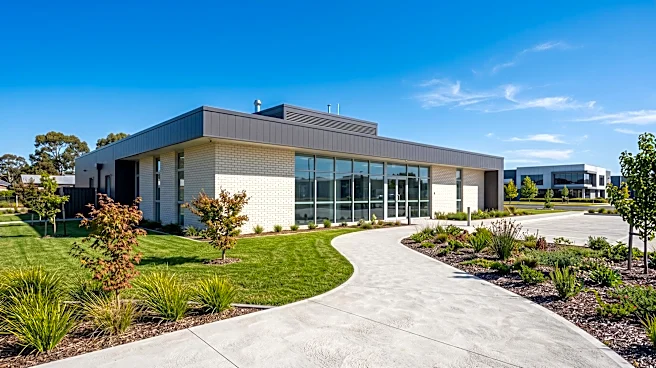
Boone County and the City of Columbia are ending their animal control partnership with the Central Missouri Humane Society (CMHS). This decision follows the city and county's plan to purchase the former Columbia Animal Hospital site at 1300 East Boone Industrial
Dr. for $995,000. The new facility will serve as an animal shelter for the city and county's animal control services, which currently house animals in CMHS custody. The Columbia Animal Hospital closed in March. According to Michelle Casey, Associate Director of CMHS, the move makes it unsustainable for CMHS to continue working with animal control, especially as CMHS is also building its own new facility. The City of Columbia initially proposed to pay $595,000 and Boone County $400,000 for the property. However, documents for an upcoming meeting indicate the city will now cover the full cost from its reserves, with Boone County contributing its $400,000 share at a later date. CMHS was reportedly informed of the purchase only on September 11 and has expressed concerns about the operational details and veterinary care plans for the new shelter.
Why It's Important?
This shift in animal control services in Boone County and Columbia carries significant implications for animal welfare, public health, and local government operations. The establishment of a new, dedicated animal shelter by the city and county could lead to more direct control over animal care standards, resource allocation, and response times for animal control issues. However, the termination of the long-standing partnership with CMHS, a known entity in animal welfare, raises questions about the transition's impact on animal well-being and the continuity of care. CMHS's concerns about operational sustainability and the lack of detailed information regarding the new facility's plans highlight potential challenges in staffing, veterinary services, and overall animal management. This development could also affect the financial and operational stability of CMHS, as it loses a key partnership while simultaneously investing in its own new facility. The decision for the city to front the entire purchase cost from reserves, with the county contributing later, also reflects a significant financial commitment and potential strain on municipal budgets, underscoring the importance of efficient and effective management of the new shelter.
What's Next?
The Columbia City Council is scheduled to meet to discuss the Public Health and Human Services (PHHS) proposal regarding the acquisition of the former Columbia Animal Hospital site. This meeting will likely address the financial arrangements, operational plans, and timeline for establishing the new animal shelter. Key stakeholders, including city and county officials, PHHS, and CMHS, will need to clarify roles and responsibilities during this transition. CMHS has indicated a need for more information regarding the new facility's operating model, provision of services, and veterinary care, suggesting that further discussions and planning are necessary. The community will be watching for details on how the new shelter will be managed, how animals currently under animal control's custody will be transitioned, and what impact this will have on stray animal intake and care. The success of this new venture will depend on effective planning, resource allocation, and transparent communication between all parties involved to ensure the continued welfare of animals in Boone County and Columbia.
Beyond the Headlines
The transition of animal control services from a long-standing partnership with a humane society to a city- and county-run facility reflects a broader trend in local governance towards greater direct control over essential public services. While this move could offer benefits such as streamlined operations and direct accountability, it also presents challenges in replicating the specialized expertise and community trust often built by non-profit organizations like CMHS. The ethical implications of animal welfare, including the standards of care, adoption rates, and euthanasia policies, will be under increased scrutiny as the new shelter takes shape. Furthermore, the financial burden on municipal reserves and the potential for operational inefficiencies in a newly established government-run animal shelter could become significant long-term considerations. This situation also highlights the importance of clear communication and collaboration between government entities and non-profit organizations, especially when fundamental changes to public services are being implemented. The community's engagement and oversight will be crucial in ensuring that the new animal shelter effectively meets the needs of both animals and residents.