






What's Happening?
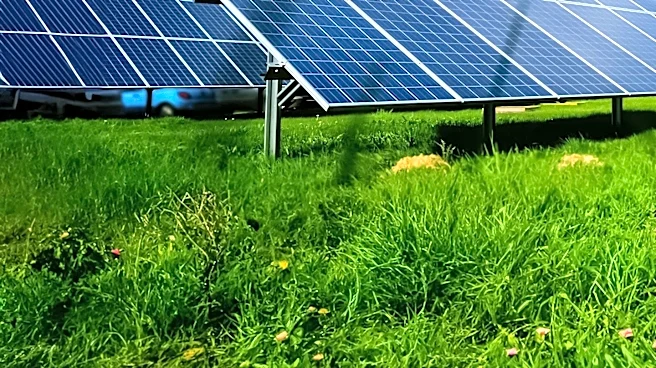
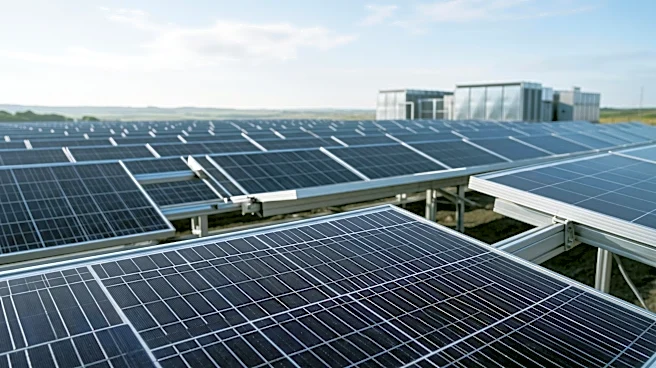
Students from the Training Center of Central Texas (TCCT) in Harker Heights, enrolled in the Solar Maintenance Technician program, recently toured the Big Elm Solar project near Troy in Bell County. This 200-megawatt solar facility, owned and operated
by Apex Clean Energy, provided students with a practical, on-site learning experience. TCCT President and CEO Reginald Hodges emphasized that this was more than a typical field trip, representing a significant development for Central Texas and potentially the nation in workforce training for the utility-scale solar industry. The students observed key components like inverters, combiner boxes, and tracker systems, learning how power flows from the equipment to the substation and onto the grid. The TCCT program, developed in partnership with Leeward Renewable Energy, aims to prepare students for immediate employment through a direct hiring pipeline. The Big Elm Solar project also has ties to prestigious institutions, with Harvard University and the Massachusetts Institute of Technology (MIT) being part of a consortium that signed a virtual power purchase agreement (VPPA) with the facility, contributing to Harvard's goal of being fossil fuel-neutral by 2026.
Why It's Important?
This initiative highlights a critical trend in U.S. workforce development: the direct alignment of educational programs with the growing demands of the renewable energy sector. As the U.S. continues to expand its solar energy infrastructure, the need for skilled technicians to maintain these facilities will increase significantly. TCCT's program, with its focus on utility-scale solar and its partnership with industry leaders like Apex Clean Energy, provides a model for how educational institutions can effectively bridge the gap between classroom learning and industry needs. This directly impacts the U.S. economy by creating a skilled labor force, supporting job growth in the green energy sector, and ensuring the operational efficiency of renewable energy projects. The involvement of institutions like Harvard and MIT through VPPAs also underscores the broader commitment from various sectors to transition to renewable energy, driving investment and demand for such projects across the nation. This collaboration between academia, industry, and major institutions is crucial for the successful and sustainable growth of the U.S. renewable energy landscape.
What's Next?
TCCT plans to expand its training beyond its Harker Heights campus, aiming to establish an extension of its training environment at an operating utility-scale solar facility like Big Elm. This will allow students to gain supervised field experience and demonstrate competencies aligned with emerging national certification standards, which are currently being piloted with the American Clean Power Association’s Clean Power Institute. TCCT and Apex are working on logistics to incorporate practical field assessments at Big Elm into this pathway, with students expected to visit quarterly for visual assessments. The finalization of this national certification process will be a key next step, providing standardized qualifications for solar maintenance technicians across the U.S. The continued development of such partnerships between educational institutions and renewable energy companies will be vital for meeting the future workforce needs of the rapidly expanding U.S. clean energy sector. Additionally, the success of VPPAs like the one with Harvard and MIT could encourage more institutions and corporations to invest in similar agreements, further accelerating renewable energy development.
Beyond the Headlines
The collaboration between TCCT and Apex Clean Energy at the Big Elm Solar project signifies a deeper societal shift towards valuing vocational training and practical skills in the context of the green economy. It challenges traditional educational paradigms by emphasizing direct industry relevance and hands-on experience, which can lead to immediate employment opportunities. This model could serve as a blueprint for other regions in the U.S. looking to transition their workforces towards sustainable industries. Furthermore, the involvement of Harvard and MIT through VPPAs highlights the increasing role of anchor institutions in driving renewable energy adoption, not just through direct investment but also by creating market demand and demonstrating commitment to sustainability. This can influence corporate social responsibility standards and encourage broader adoption of renewable energy procurement strategies. The project also implicitly addresses issues of energy independence and grid resilience, as localized renewable energy generation reduces reliance on traditional fossil fuel sources and strengthens regional energy infrastructure, contributing to national energy security.