
What's Happening?
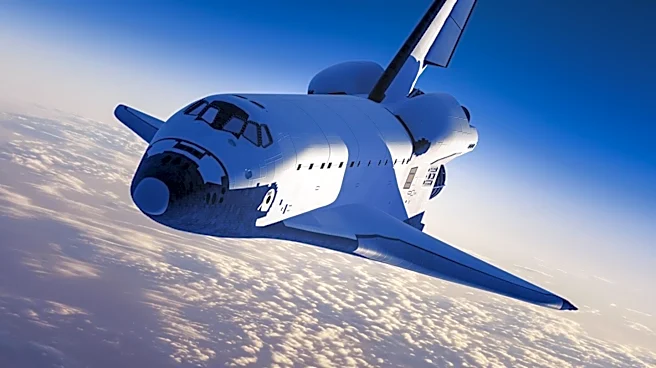
This week marks the 15th anniversary of the final mission of NASA's Space Shuttle program, with Space Shuttle Atlantis landing at Kennedy Space Center on July 21, 2011. The mission, designated STS-135,
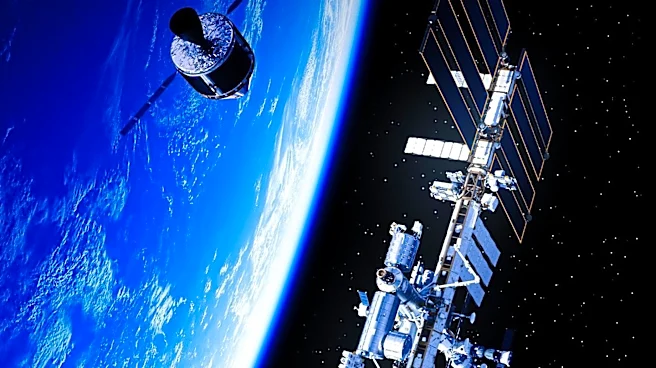
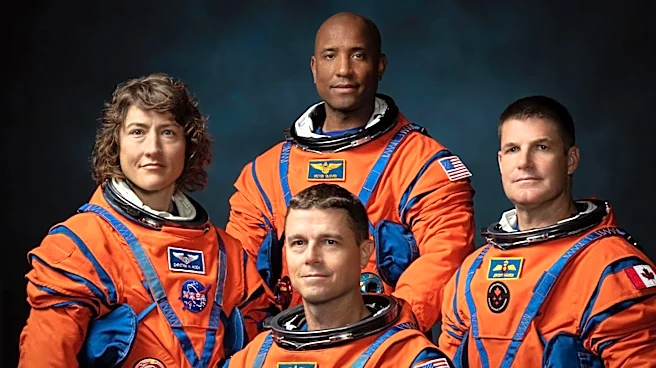
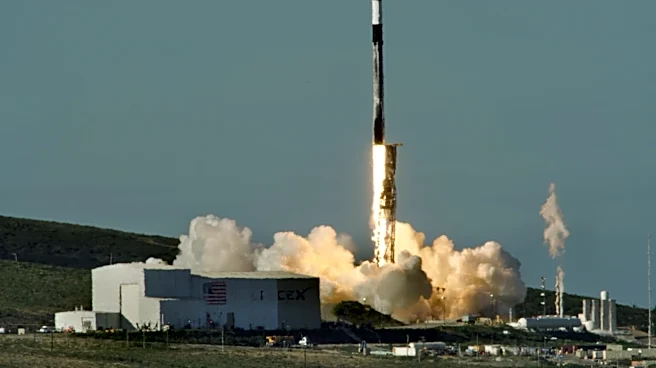
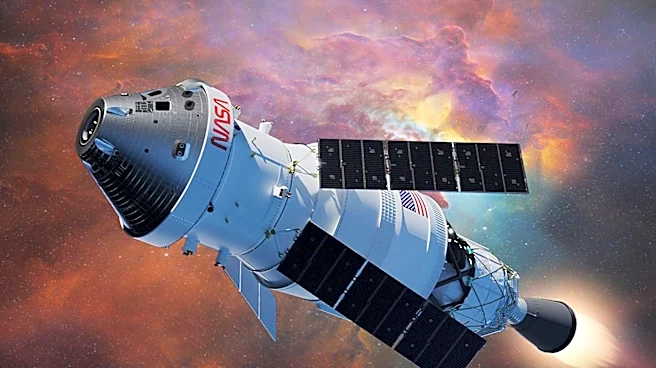
was initially planned as a contingency Launch On Need mission for the previous STS-134 flight. However, it became the program's concluding mission due to decisions by lawmakers and NASA managers. The crew, led by Commander Christopher Ferguson, included pilot Douglas Hurley and mission specialists Sandra Magnus and Rex Walheim. The end of the Space Shuttle program left the U.S. reliant on Russian Soyuz capsules for transporting astronauts to the International Space Station (ISS) until the advent of NASA's Commercial Crew Program. SpaceX and Boeing were contracted to restore U.S. launch capabilities, with SpaceX achieving its first crewed mission in 2020 and Boeing facing delays with its Starliner capsule.
Why It's Important?
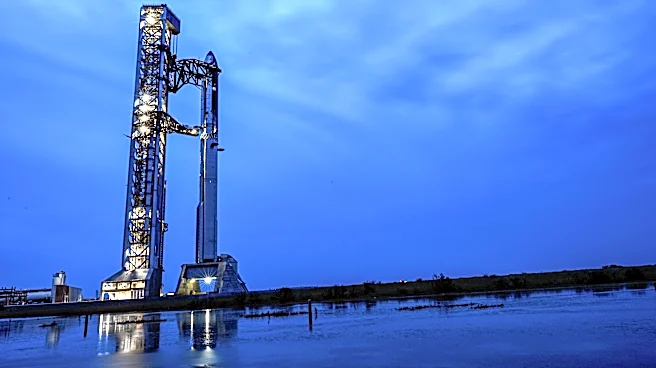
The conclusion of the Space Shuttle program marked a significant transition in U.S. space exploration, shifting from a government-operated shuttle to a reliance on commercial partnerships. This change aimed to reduce risks and increase redundancy in U.S. space capabilities. However, the transition has faced challenges, particularly with Boeing's delays in launching its Starliner capsule. The reliance on SpaceX's Crew Dragon has been pivotal, but uncertainties remain about the long-term sustainability of this arrangement. The situation underscores the importance of diversifying launch capabilities to ensure continued access to space, especially as the ISS program approaches its end. The future of U.S. crewed spaceflight depends on successful collaboration between NASA and commercial partners, as well as the development of new technologies like SpaceX's Starship.
What's Next?
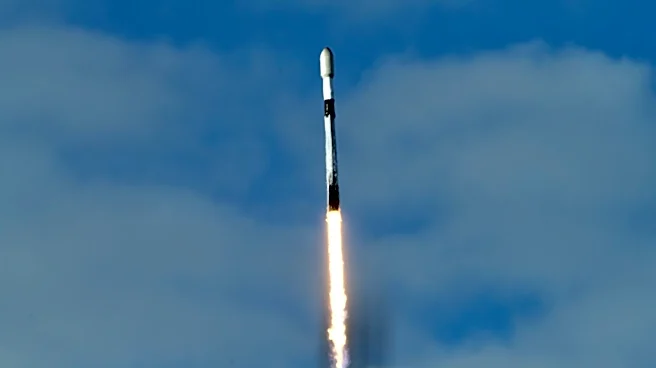
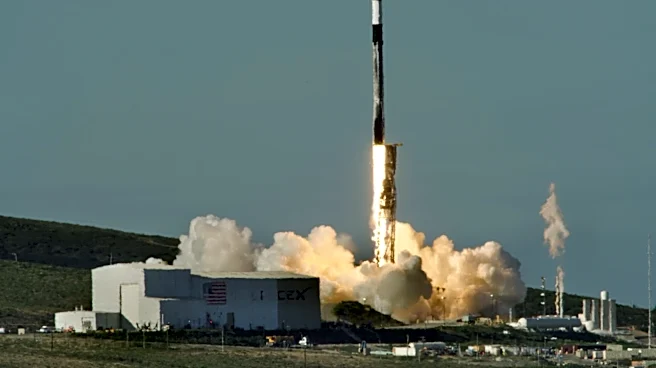
Looking ahead, NASA and its partners must address the challenges of maintaining and expanding U.S. crewed spaceflight capabilities. Boeing's Starliner is expected to conduct a crewed test flight in 2025, but the timeline remains uncertain. Meanwhile, SpaceX's Crew Dragon continues to fulfill its contracted missions, though no new vehicles are planned for production. As the ISS program nears its conclusion, NASA will need to explore alternative platforms and technologies for future missions. The development of SpaceX's Starship and other emerging technologies will play a crucial role in shaping the next phase of U.S. space exploration. Additionally, decisions regarding the preservation and display of retired Space Shuttles, such as Discovery, reflect ongoing discussions about the legacy and future of U.S. space endeavors.