






What's Happening?
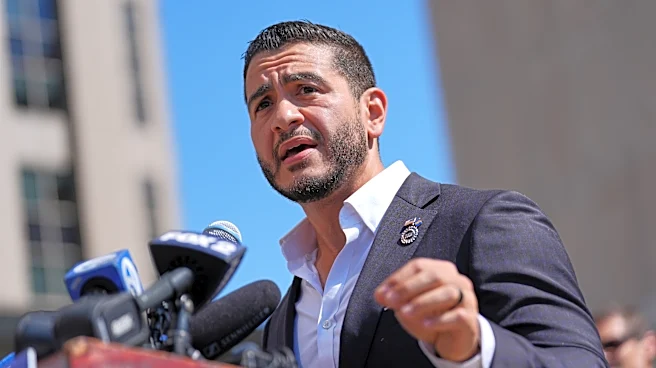
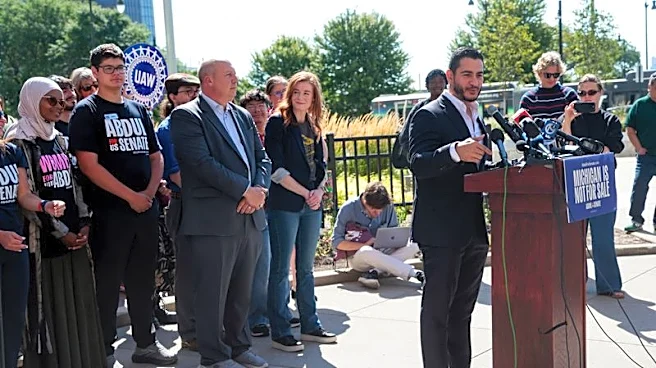
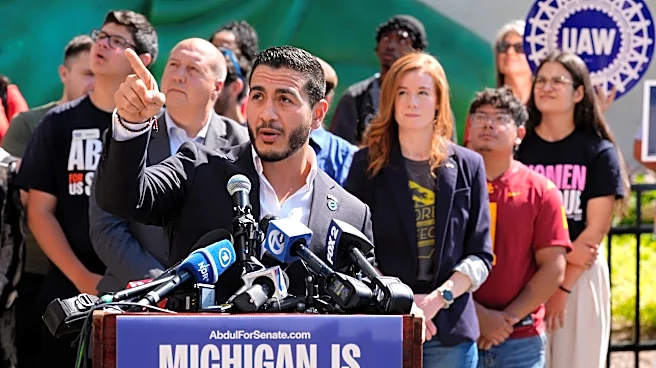
In the lead-up to Michigan's Democratic primary, pollsters predicted a significant lead for progressive candidate Abdul El-Sayed over moderate U.S. Rep. Haley Stevens in the U.S. Senate race. However, the actual results showed a much closer contest, with
El-Sayed winning by just one percentage point. This discrepancy has raised concerns about the reliability of polling methods, particularly in capturing voter sentiment in high-stakes races. The polling miss in Michigan contrasts with more accurate predictions in Illinois, where polls correctly anticipated the outcome of a contentious Democratic primary earlier this year.
Why It's Important?
The polling inaccuracies in Michigan highlight the challenges pollsters face in accurately gauging voter preferences, especially in an era of changing communication habits and political dynamics. These errors can influence voter turnout and campaign strategies, potentially affecting election outcomes. The situation underscores the need for pollsters to adapt their methodologies to better reflect the complexities of modern elections. As public trust in polling data is crucial for informed decision-making, addressing these challenges is essential for maintaining the credibility of electoral processes.