







What's Happening?
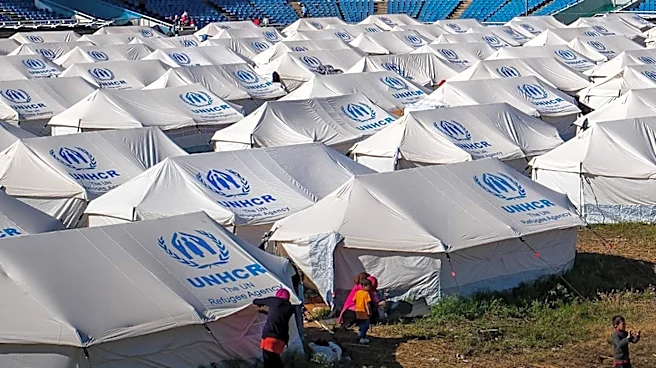
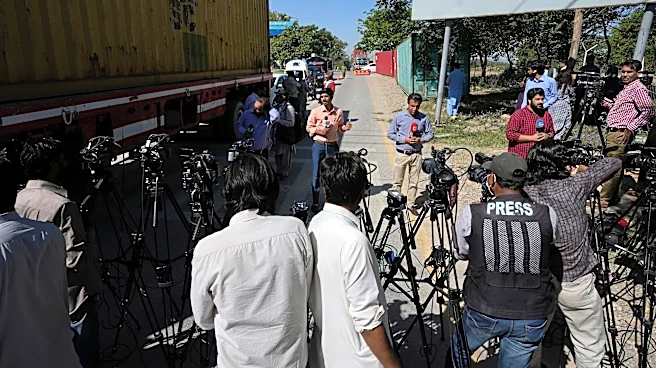
The United Nations High Commissioner for Refugees (UNHCR) has reported that more than 600,000 Afghans have returned or been forced to return from Pakistan since the beginning of the year. Many of these individuals have crossed back into Afghanistan through
the Torkham crossing. According to UNHCR spokesperson Charlie Goodlake, the returnees have faced significant challenges, including detention, confiscation of belongings, and serious security and livelihood issues while in Pakistan. The return process has raised concerns among migrant rights advocates, who emphasize the need for it to respect human rights and human dignity, especially for vulnerable families. The situation is compounded by the fact that many returnees had established lives in Pakistan, with homes, jobs, and children attending school, and now face the daunting task of rebuilding their lives in Afghanistan.
Why It's Important?
The large-scale return of Afghan migrants from Pakistan is significant due to its potential impact on Afghanistan's already strained resources and infrastructure. With over 2.7 million returnees expected to require urgent humanitarian assistance, the situation could exacerbate existing challenges in housing, employment, education, and healthcare. This development places additional pressure on both returnee families and host communities, potentially leading to increased social and economic instability. The international community and Afghan government face the challenge of addressing these needs to prevent further humanitarian crises.
What's Next?
The Afghan government and international organizations may need to develop comprehensive plans to support the reintegration of returnees. This could involve creating employment opportunities, providing access to education and healthcare, and ensuring adequate housing. The UN and other humanitarian agencies are likely to continue monitoring the situation and may call for increased international aid to support these efforts. The response from the Afghan government and international community will be crucial in determining the long-term outcomes for the returnees and the stability of the region.