
What's Happening?
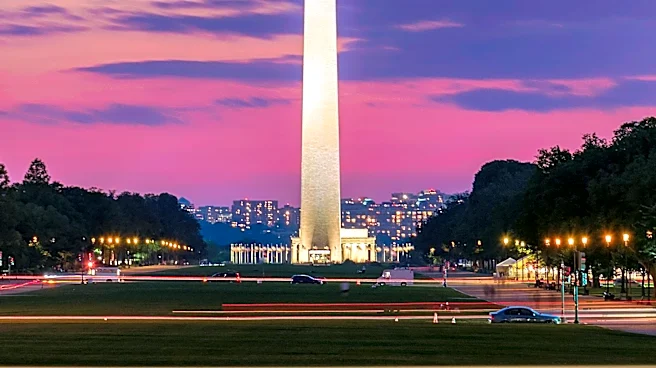
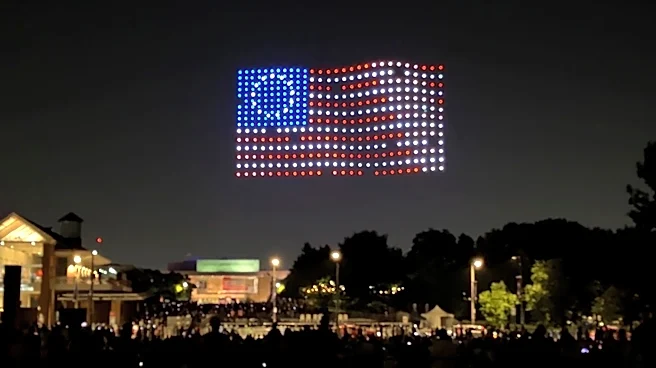
Independence Day celebrations on the National Mall in Washington D.C. were disrupted by severe thunderstorms, leading to temporary evacuations. Thousands of attendees were moved to nearby federal buildings for shelter as the weather conditions worsened.
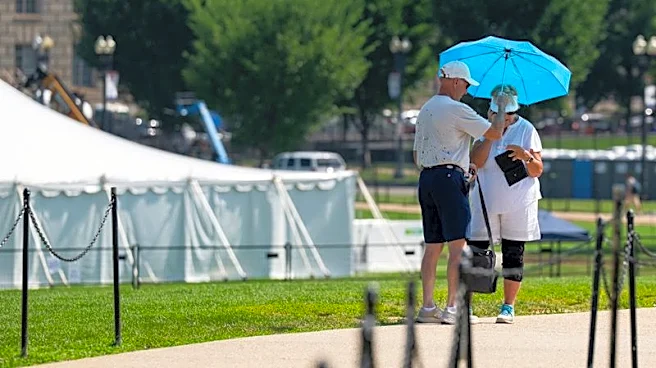
The event, part of the nationwide commemoration of America's 250th anniversary, was brought to a standstill. President Trump announced that his speech would proceed, and the site was reopened at 9:45 p.m. ET. Attendees had to undergo security screening again upon reentry, having already waited in long lines earlier in the day under hot conditions. The U.S. Secret Service confirmed that all evacuees were required to pass through security checks once more.
Why It's Important?
The disruption of the Independence Day celebrations on the National Mall highlights the challenges of organizing large public events in unpredictable weather conditions. The evacuation and subsequent re-screening of attendees underscore the importance of security and safety protocols in managing large crowds. This incident also reflects the logistical complexities involved in ensuring public safety during high-profile national events. The need for effective communication and coordination among security agencies, event organizers, and the public is crucial in such scenarios. The event's interruption due to weather conditions also raises questions about contingency planning for outdoor events.
What's Next?
Following the disruptions, there may be reviews of the security and evacuation procedures to improve future event management. Event organizers and security agencies might assess the effectiveness of their response to the weather-related challenges and consider enhancements to their protocols. Additionally, there could be discussions on improving communication with attendees during emergencies to minimize confusion and ensure safety. The incident may also prompt a reevaluation of the scheduling and location of future large-scale public events to better accommodate potential weather disruptions.