






What's Happening?
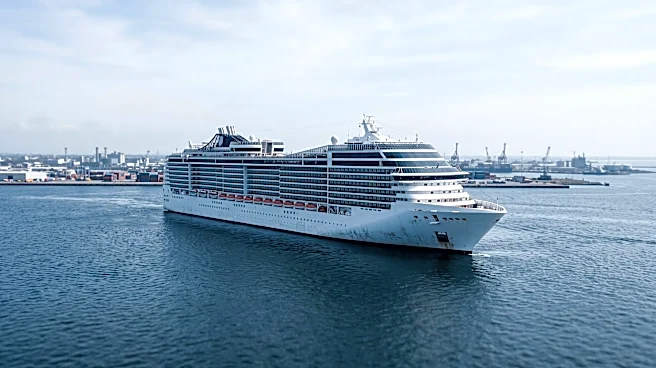
Singaporean authorities have seized the US-operated cruise ship MV Odyssey, which had offered retirees a 'permanent' life at sea. The seizure occurred after the ship ran out of money due to soaring fuel prices, leading to the disembarkation of over 200
passengers in Cambodia last month. The vessel, now 'under sheriff’s arrest' off Singapore’s east coast, was impounded pursuant to a court order. The ship's Florida-based operator, Villa Vie Residences, reportedly owes approximately US$500,000 in fuel payments. Most of the stranded passengers were Americans, alongside 156 crew members. The company had previously cited fuel price surges from the Iran war as making operations 'unsustainable,' and the ship is now reportedly being operated by creditors. The MV Odyssey had faced issues from its inception, including a four-month delay in its initial sailing and reports of financial distress during the cruise, with passengers even contributing funds for fuel.
Why It's Important?
The seizure of the MV Odyssey highlights the significant financial risks associated with long-term cruise ventures and the potential for severe disruption to passengers' lives when operators face economic challenges. For U.S. citizens, this incident underscores the importance of scrutinizing the financial stability of companies offering extended travel or residential-at-sea programs. The situation also brings to light the complexities of international maritime law and the role of global shipping hubs like Singapore in resolving commercial disputes involving vessels. The reported half-million-dollar fuel debt illustrates the volatile nature of operational costs in the shipping industry, particularly in the face of geopolitical events impacting energy prices. This event could lead to increased scrutiny and potentially new regulations or consumer protections for 'residential cruise' models, impacting both operators and future passengers.
What's Next?
The MV Odyssey remains under arrest in Singapore, with its fate now likely in the hands of creditors and the courts. Arrangements for the welfare of the crew onboard are being managed by the vessel’s creditors, and there are no passengers currently on board. The operator, Villa Vie Residences, has been contacted for comment regarding the reported fuel debt. Passengers who invested in the multi-year residencies or permanent cabins, some costing between $120,000 and $440,000, face uncertainty regarding the recovery of their funds. Some passengers have remained in Cambodia to assess their options. The incident may prompt legal actions from affected passengers and crew, and could lead to a re-evaluation of business models for long-term residential cruises, potentially influencing future consumer contracts and financial safeguards in the industry.
Beyond the Headlines
This incident delves into the ethical responsibilities of companies offering unique, long-term living arrangements, especially to a demographic often seeking stability in retirement. The promise of a 'permanent life at sea' was abruptly shattered, leaving retirees stranded and financially vulnerable. The situation raises questions about the due diligence expected from consumers when investing in such novel lifestyle propositions, as well as the regulatory frameworks governing these types of services. The reliance on global shipping hubs like Singapore to address such commercial impasses also highlights the interconnectedness of international maritime operations and legal systems. Furthermore, the event could serve as a cautionary tale, potentially influencing how future 'residential at sea' concepts are marketed, financed, and regulated to prevent similar disruptions and protect consumers.