





What's Happening?
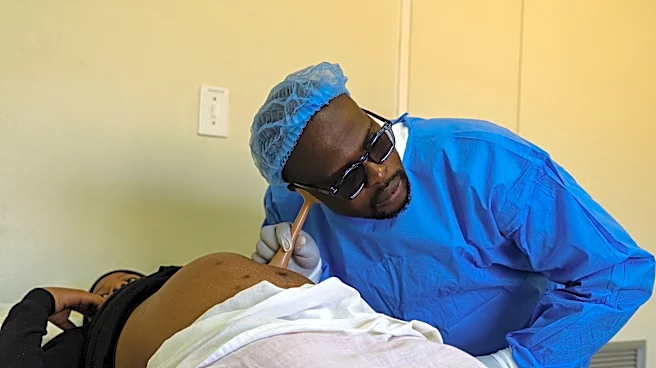
Two public health professors and two graduate students from Liberty University recently participated in a mission trip to Jutiapa, Guatemala, and Santa Ana, El Salvador. This trip, the seventh led by Drs. Oswald Attin and Gineska Castillo, focused on conducting
community health assessments, preventive health screenings, and educational presentations in underserved communities. The team, which included 32 members, collaborated with local church partners and the nonprofit Manos Unidas. They held health clinics to screen for common conditions like hypertension, anemia, and diabetes, and provided education on nutrition and hygiene. Local healthcare workers also received training to ensure follow-up care for patients after the team's departure. Graduate students Grace Boundy and Haley Gebhard completed their practicum requirements during the trip, with Gebhard focusing on maternal and child health, particularly the issue of child stunting in Guatemala.
Why It's Important?
This initiative by Liberty University's public health department is crucial for addressing significant health disparities in Central American communities. By providing direct health services and training local healthcare workers, the program aims to create sustainable health improvements beyond the duration of the trip. The focus on prevalent issues like child stunting, which affects approximately 50% of children in Guatemala, highlights the severe impact of poverty and food insecurity on public health. The involvement of graduate students offers invaluable real-world experience, allowing them to apply theoretical knowledge to practical challenges in global health. This project also strengthens international partnerships and demonstrates a commitment to humanitarian efforts, reflecting the university's broader mission to serve communities in need.
What's Next?
Drs. Attin and Castillo plan to continue their project, with a long-term goal of visiting all 22 departments in Guatemala and exploring bordering regions. The training provided to local healthcare workers is expected to facilitate ongoing care and health education within these communities. Haley Gebhard, now pursuing a Doctor of Public Health in Maternal and Child Health, will continue her research on child stunting and maternal malnutrition, potentially contributing to more targeted interventions. The data collected during these assessments will be vital for developing effective public health strategies and securing further funding for future initiatives. The university will likely continue to integrate such field experiences into its public health curriculum, offering future students similar opportunities for practical application and service.
Beyond the Headlines
Beyond the immediate health benefits, this mission trip underscores the complex interplay of health, poverty, and social determinants in developing regions. The observation that maternal malnutrition, often due to limited access to food rather than lack of knowledge, contributes significantly to child stunting reveals systemic challenges that require multifaceted solutions. The integration of spiritual care alongside medical services reflects a holistic approach to community well-being, acknowledging the importance of mental and spiritual health in overall recovery and resilience. This model of engagement, combining academic learning with practical service and spiritual outreach, highlights a unique aspect of faith-based educational institutions in addressing global health crises and fostering long-term community development.