





What's Happening?
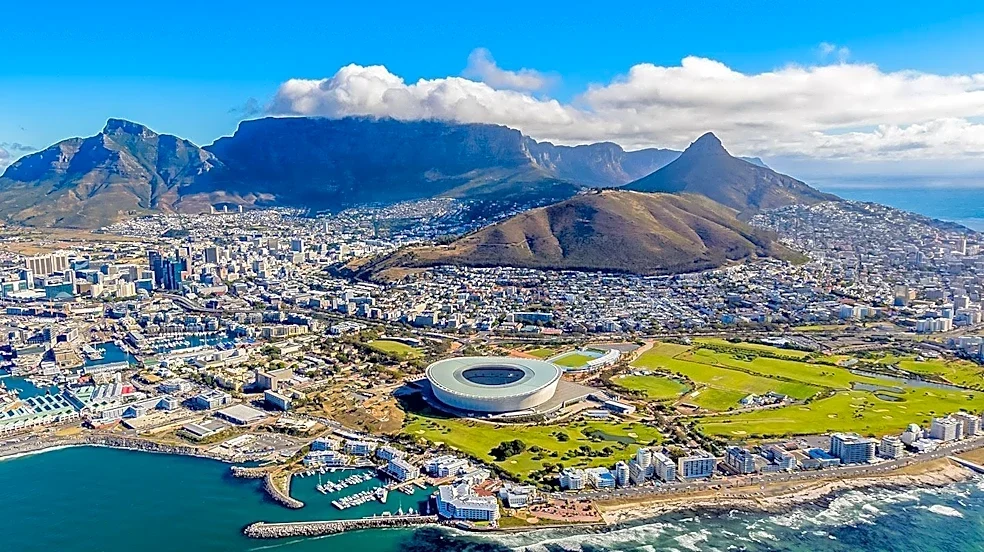
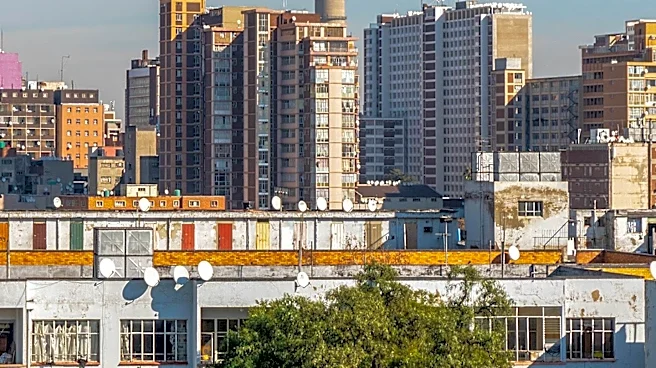
Cape Town, South Africa, is facing significant challenges stemming from rapid urbanization, a severe shortage of affordable and quality housing, and the escalating climate crisis. The city's geographical layout, with affluent areas concentrated near the Central
Business District and marginalized communities pushed to the peripheries, reflects the enduring legacy of apartheid spatial planning. This historical division continues to impact access to public transport, employment, and essential services for many residents. The city is actively implementing multifaceted responses, including upgrading informal settlements through programs like the 'Technical Assistance Tool,' developing social housing projects in partnership with the national government, and witnessing market-driven development of high-density apartment complexes in the city center. However, urban sociologist Dr. Jane Muller notes a paradox where construction doesn't always meet the needs of those most in need, maintaining an uneven geography of opportunity.
Why It's Important?
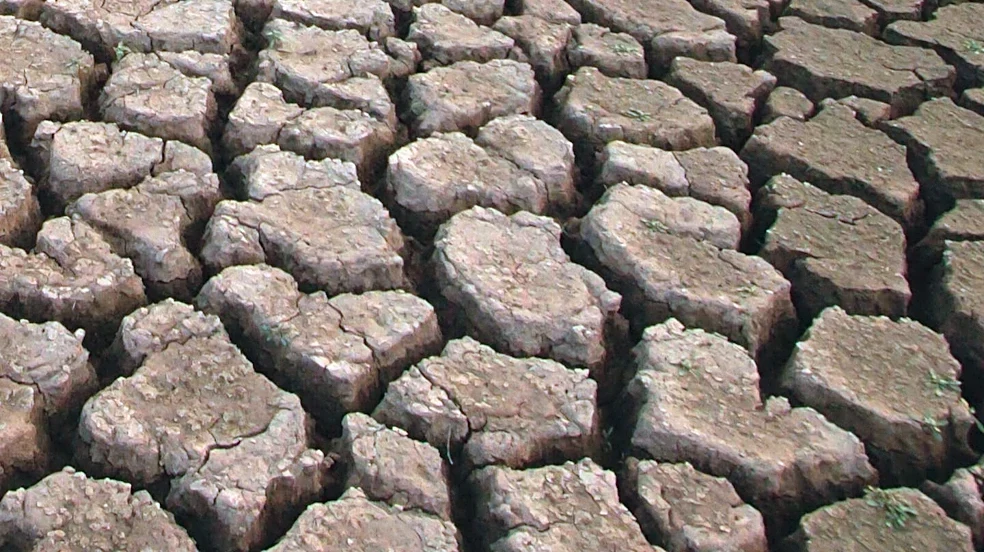
The challenges in Cape Town highlight broader issues of urban inequality and the long-term consequences of historical planning policies. The acute housing shortage, exacerbated by rapid urbanization, creates social and economic divides that can lead to instability and hinder inclusive growth. The city's struggle with climate change, particularly water scarcity as evidenced by the 'Day Zero' crisis in 2018, serves as a critical case study for other global cities facing similar environmental threats. The tension between market-driven development and the right to adequate housing is a universal concern, impacting social cohesion and access to basic necessities. The resilience of Cape Town's informal sector, while providing a safety net, also underscores the precarious economic conditions for a significant portion of the population, making the city's approach to these issues a relevant model for urban planners and policymakers worldwide.
What's Next?
Cape Town is expected to continue its multi-pronged strategy to address its urban challenges. This includes ongoing efforts in water security through investments in desalination, groundwater extraction, and recycling, alongside urban forestry programs to combat the urban heat island effect. The city will also focus on disaster risk reduction, particularly for wildfires, by establishing early warning systems and clearing invasive vegetation. Future developments will likely involve a continued push for innovative governance and community-led initiatives to foster spatial justice. The city's ability to reconcile its status as a global destination with the urgent need for inclusive and sustainable development will be a key focus. The choices made in the coming decade, from revitalizing urban cores to upgrading informal settlements, will determine whether Cape Town becomes a model for equitable urbanism or a cautionary tale of stark contrasts.
Beyond the Headlines
The situation in Cape Town extends beyond immediate urban planning and environmental concerns, touching upon profound ethical and social dimensions. The persistence of apartheid spatial planning's effects underscores the deep-seated nature of systemic inequalities and the long road to achieving true social justice. The reliance on the informal economy, while providing livelihoods, also highlights the vulnerabilities of a significant portion of the population, raising questions about labor rights, social protections, and economic stability. The climate crisis, as a daily reality for Cape Town, forces a re-evaluation of urban development models and resource management, emphasizing the need for sustainable practices that prioritize community resilience over short-term economic gains. The city's journey reflects a global struggle to balance economic growth with environmental stewardship and social equity, offering valuable lessons on the complexities of post-colonial urban development and climate adaptation.