


What's Happening?
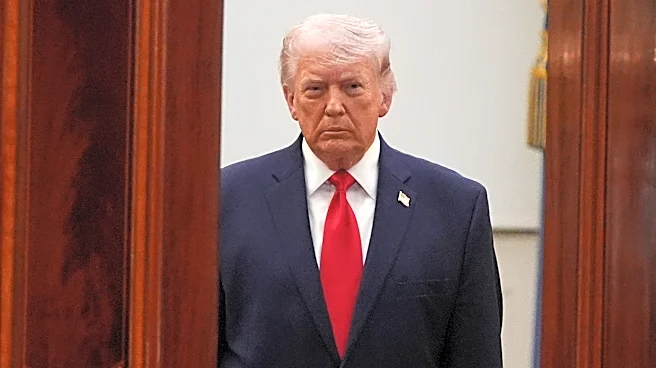
President Trump's 2027 budget proposal includes a significant shift towards the privatization of the Transportation Security Administration (TSA). The proposal suggests that small airports should enroll in the Screening Partnership Program, which allows
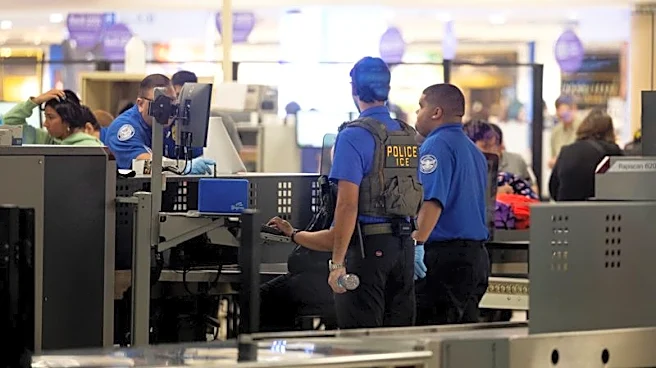
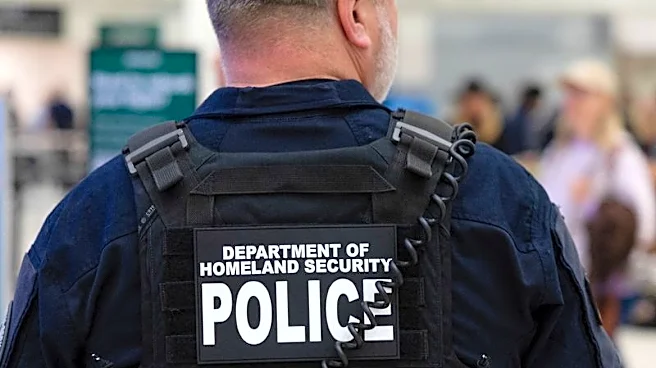
private companies to handle security screening under federal oversight. This move is aimed at reducing costs and reforming TSA operations, which have been criticized for inefficiencies. The proposal comes amid a Department of Homeland Security (DHS) shutdown that has led to TSA workers going unpaid, resulting in staffing shortages and long wait times at airports. The budget also outlines increased defense spending and cuts to various programs, including environmental initiatives.
Why It's Important?
The proposed privatization of TSA could have widespread implications for airport security and the federal workforce. By shifting to private screeners, the administration aims to achieve cost savings and improve efficiency. However, this move could also lead to concerns about the quality and consistency of security measures, as well as the potential impact on TSA employees' job security. The proposal reflects ongoing debates about the role of government versus private sector involvement in public services. If implemented, this change could set a precedent for further privatization efforts within federal agencies.
What's Next?
The proposal will likely face scrutiny and debate in Congress, where lawmakers will consider its implications for national security and federal employment. Stakeholders, including airport authorities and TSA employees, may express concerns or support based on their interests. The outcome of this proposal could influence future discussions on the privatization of other government services. Additionally, the ongoing DHS shutdown and its impact on TSA operations may accelerate discussions about alternative solutions to improve efficiency and reduce costs.