







What's Happening?
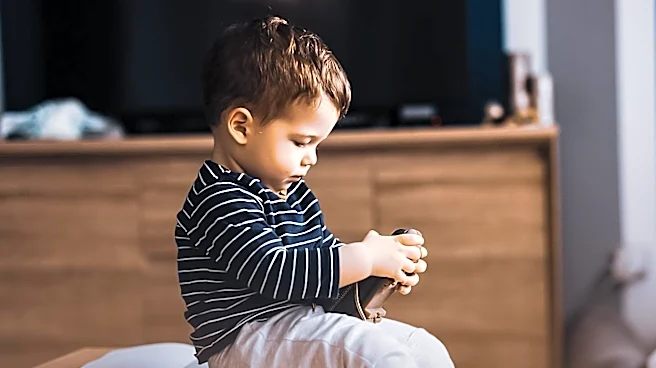
The United States is grappling with the challenge of regulating social media use among children, as other countries like France and Australia have implemented strict age-related restrictions. Despite recognizing the risks associated with social media,
the U.S. has yet to pass a comprehensive national law addressing child online safety. Instead, the issue is being tackled through a patchwork of state laws, school district policies, and court cases. Recent legal actions, such as a Los Angeles jury awarding damages in a case against YouTube and Meta, highlight the growing concern over social media's impact on children.
Why It's Important?
The lack of a unified national approach to regulating social media for children underscores the complexities of American governance, where jurisdictional debates and privacy concerns often stall legislative progress. This fragmented approach could lead to inconsistent protections for children across different states. The ongoing legal and legislative efforts reflect a broader societal push for stronger safeguards, driven by concerns from parents, mental health professionals, and child-safety advocates. The outcome of these efforts will have significant implications for technology companies, potentially affecting their business models and advertising strategies.
What's Next?
As states continue to test the limits of what courts will allow, the U.S. may eventually see a cumulative effect that forces national recognition of the need for child online safety regulations. The debate is likely to persist, with potential compromises emerging from state-level initiatives and court rulings. The involvement of various stakeholders, including civil liberties organizations and technology companies, will shape the future of social media regulation in the U.S. The path forward may involve a combination of state laws, court decisions, and federal proposals, gradually building towards a more cohesive framework.