








What's Happening?
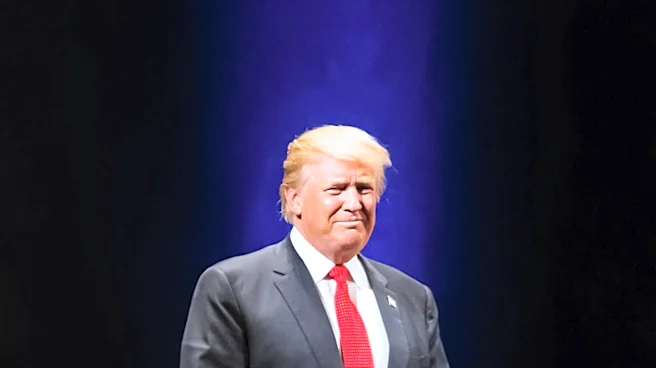
The debate over universal health care in the U.S. has intensified, with discussions focusing on the differences between Democratic and Democratic Socialist approaches. The Trump administration's rollback of social spending, including cuts to Medicaid
and Affordable Care Act subsidies, has led to increased uninsured rates and higher premiums. Bernie Sanders advocates for Medicare for All as a solution, while Democrats argue for restoring subsidies to maintain coverage. The Democratic Socialists of America (DSA) position themselves as champions of universal health care, despite the Democratic Party's long-standing support for the cause.
Why It's Important?
Health care remains a pivotal issue in American politics, affecting millions of citizens and shaping electoral outcomes. The contrasting approaches to achieving universal coverage highlight ideological divides within the left, impacting voter perceptions and party dynamics. The rollback of health care subsidies under the Trump administration underscores the vulnerability of social programs to political shifts. The debate also reflects broader societal values regarding access to health care and the role of government in providing essential services. As health care costs continue to rise, the issue is likely to remain a central focus in upcoming elections.
What's Next?
The ongoing debate may influence legislative priorities and campaign strategies for both Democrats and Democratic Socialists. Efforts to restore or expand health care coverage could become key issues in future elections, with potential implications for party unity and voter mobilization. The discussion may also prompt broader conversations about the sustainability of the U.S. health care system and the feasibility of transitioning to a single-payer model. As political leaders navigate these challenges, the outcome could shape the future of health care policy in the U.S.