






What's Happening?
A 13-year-old boy named Zac Waters dedicated approximately 300 hours of his summer to a remarkable project: designing, 3D printing, testing, and assembling a custom wheelchair for a 21-month-old baby. Waters was inspired after watching a YouTube video
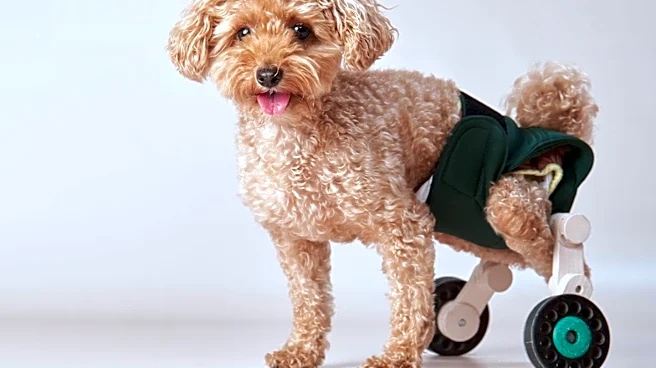
about the capabilities of 3D printing and subsequently discovered MakeGood, a New Orleans-based nonprofit organization. MakeGood specializes in creating blueprints for assistive technology, making it accessible to individuals with disabilities at a significantly lower cost than commercially available alternatives. The organization's core mission is to provide life-changing assistive technology to everyone in need, emphasizing affordability and customization. This initiative powerfully demonstrates how readily available technology, combined with dedicated community effort, can address critical needs within the disability community. Another compelling example highlighted is Brittany from North Canton, Ohio, who acquired a 3D printer specifically to create mobility trainers for her adoptive/foster daughter, Stormi. Stormi lives with a rare genetic condition called ASXL3/Bainbridge-Ropers Syndrome, which necessitates specialized mobility support. Brittany has since become a vetted chair maker through MakeGood, with Stormi actively participating in testing new designs before their public release. Brittany is now engaged in producing multiple mobility builds, showcasing the scalability and personal impact of this model.
Why It's Important?
This story profoundly underscores the growing potential of 3D printing technology to democratize access to essential medical and assistive devices, particularly for vulnerable populations in the United States. The prohibitive cost of custom medical equipment often creates significant financial and logistical barriers for families, leaving many without necessary support. Initiatives like MakeGood demonstrate a viable, cost-effective, and highly personalized alternative to traditional commercial products. By leveraging volunteer efforts, open-source designs, and increasingly accessible technology, this nonprofit model can effectively bridge critical gaps in healthcare access and significantly improve the quality of life for individuals with disabilities. The involvement of a young person like Zac Waters also highlights the immense educational and community engagement benefits inherent in such projects, inspiring other youth and adults to contribute their skills to solving pressing societal challenges. Furthermore, the ability for parents, such as Brittany, to directly produce customized equipment for their own children empowers families, fostering a more responsive and tailored approach to individual needs that moves beyond the limitations of standardized, often expensive, commercial offerings. This innovative model holds substantial implications for U.S. healthcare accessibility, technological innovation in assistive devices, and community-led solutions.
What's Next?
MakeGood plans to continue expanding its offerings and technological scope, with founder Noam Platt indicating ongoing development work on motorized, sports, and outdoor versions of various assistive technologies. This expansion suggests a commitment to addressing a wider range of mobility and functional needs. The organization also places a strong emphasis on knowledge transfer, focusing on teaching other entities and communities how to implement this critical work, which could lead to a broader dissemination and adoption of their model across the nation. The inspiring success stories of volunteer makers like Zac Waters are expected to encourage more individuals to get involved, either by sharing information about MakeGood's mission or by becoming active 3D printing makers themselves. The nonprofit relies heavily on donations to support its projects and operational costs, and increased public awareness and financial contributions could enable it to reach and assist a greater number of families in need. The continued development and widespread adoption of these accessible 3D printing solutions could instigate a significant transformation in how assistive devices are designed, produced, and distributed throughout the U.S., potentially influencing future policy discussions around healthcare costs, technological innovation, and comprehensive disability support services.
Beyond the Headlines
This development points to a broader societal shift towards decentralized manufacturing and community-driven solutions for complex problems, particularly within the realm of healthcare and disability support. The increasing accessibility of 3D printing technology empowers individuals and smaller, agile organizations to innovate and provide direct aid, often bypassing traditional, and sometimes cumbersome, commercial and bureaucratic supply chains. This trend carries significant ethical implications, particularly concerning intellectual property in the design of assistive devices, promoting a collaborative, open-source approach for the greater public good rather than proprietary control. Legally, it may prompt discussions about appropriate regulatory oversight for custom-printed medical devices, although the current focus remains largely on non-regulated assistive technology. Culturally, it fosters a profound sense of collective responsibility and highlights the transformative impact of individual initiative, especially among younger generations, in addressing pressing community needs. The long-term shift could foresee a proliferation of local "makerspaces" and community hubs dedicated to producing personalized assistive technology, fundamentally transforming the landscape of disability support from a top-down commercial model to a more agile, community-based, user-centric, and empowering approach.