

What's Happening?
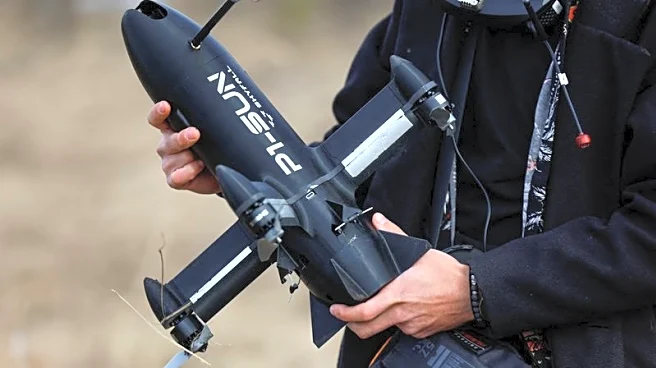
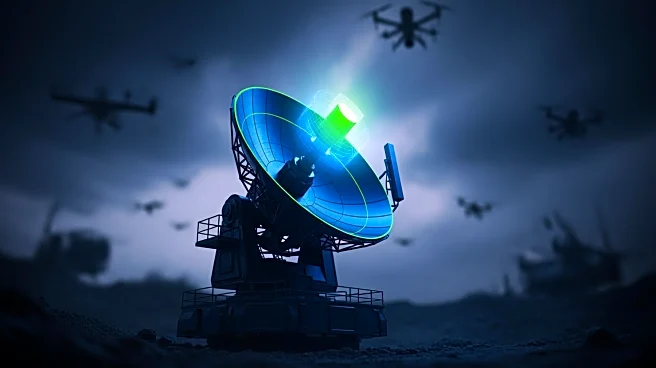
The United States is sending an AI-powered anti-drone system, known as Merops, to the Middle East to enhance defenses against Iranian drones. This decision follows concerns over the effectiveness of current anti-drone measures in the region. The Merops system, which
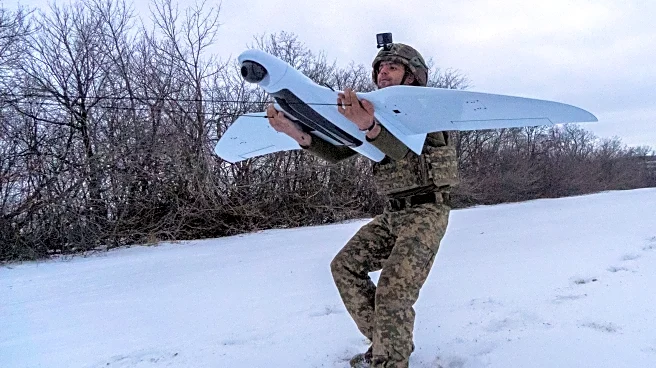
has been successful against Russian drones in Ukraine, is designed to counter the threat posed by Iran's Shahed drones. These drones, although basic, have been challenging to intercept due to their low cost and the high expense of traditional missile defense systems. The Merops system is compact, capable of fitting in a midsize pickup truck, and uses artificial intelligence to navigate and target drones even when communications are jammed. This deployment aims to address the inadequacies in current defenses and prepare for potential Iranian retaliatory actions.
Why It's Important?
The deployment of the Merops system is significant as it addresses a critical gap in U.S. and allied defenses in the Middle East. The high cost of using traditional missile systems like Patriot and THAAD against inexpensive drones has been a strategic and financial challenge. By employing a more cost-effective solution, the U.S. can better protect its interests and allies in the region without incurring unsustainable expenses. This move also reflects a broader shift towards integrating advanced technologies, such as AI, into military operations to enhance efficiency and effectiveness. The success of Merops in Ukraine provides a tested model for its application in the Middle East, potentially setting a precedent for future military strategies against similar threats.
What's Next?
The Merops system will be deployed to various strategic locations in the Middle East, including areas without a direct U.S. military presence. This deployment is expected to bolster regional defenses and deter potential Iranian aggression. The U.S. will likely continue to assess the effectiveness of Merops and other counter-drone technologies, potentially leading to further deployments or enhancements. Additionally, the collaboration with Ukraine in combating drone threats may lead to increased international cooperation in developing and deploying advanced defense systems. The situation will require ongoing monitoring to adapt to evolving threats and ensure the protection of U.S. and allied interests in the region.
Beyond the Headlines
The introduction of AI-powered systems like Merops highlights the growing role of technology in modern warfare. This shift raises ethical and strategic questions about the reliance on automated systems in combat scenarios. The use of AI in military applications must be carefully managed to prevent unintended consequences and ensure compliance with international laws and norms. Furthermore, the deployment of such systems could influence global military strategies, prompting other nations to develop or acquire similar technologies. This technological arms race could reshape the landscape of international security and defense policies.