

What's Happening?
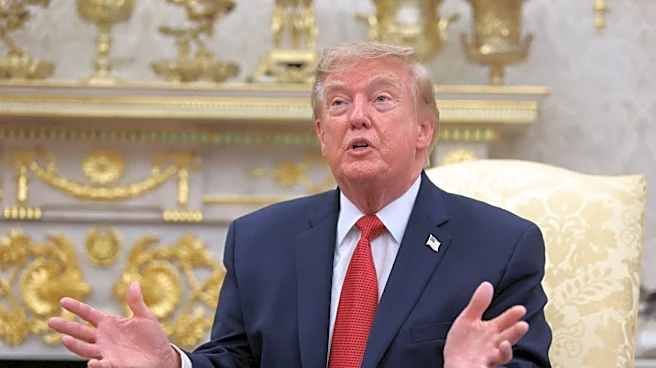
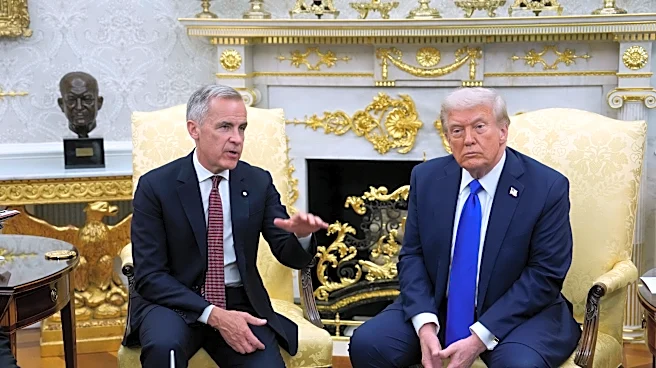
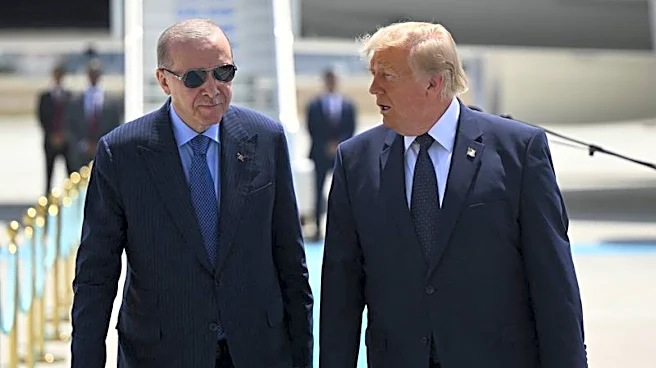
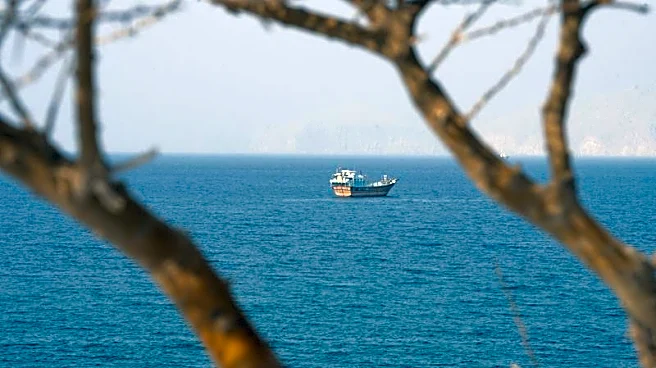
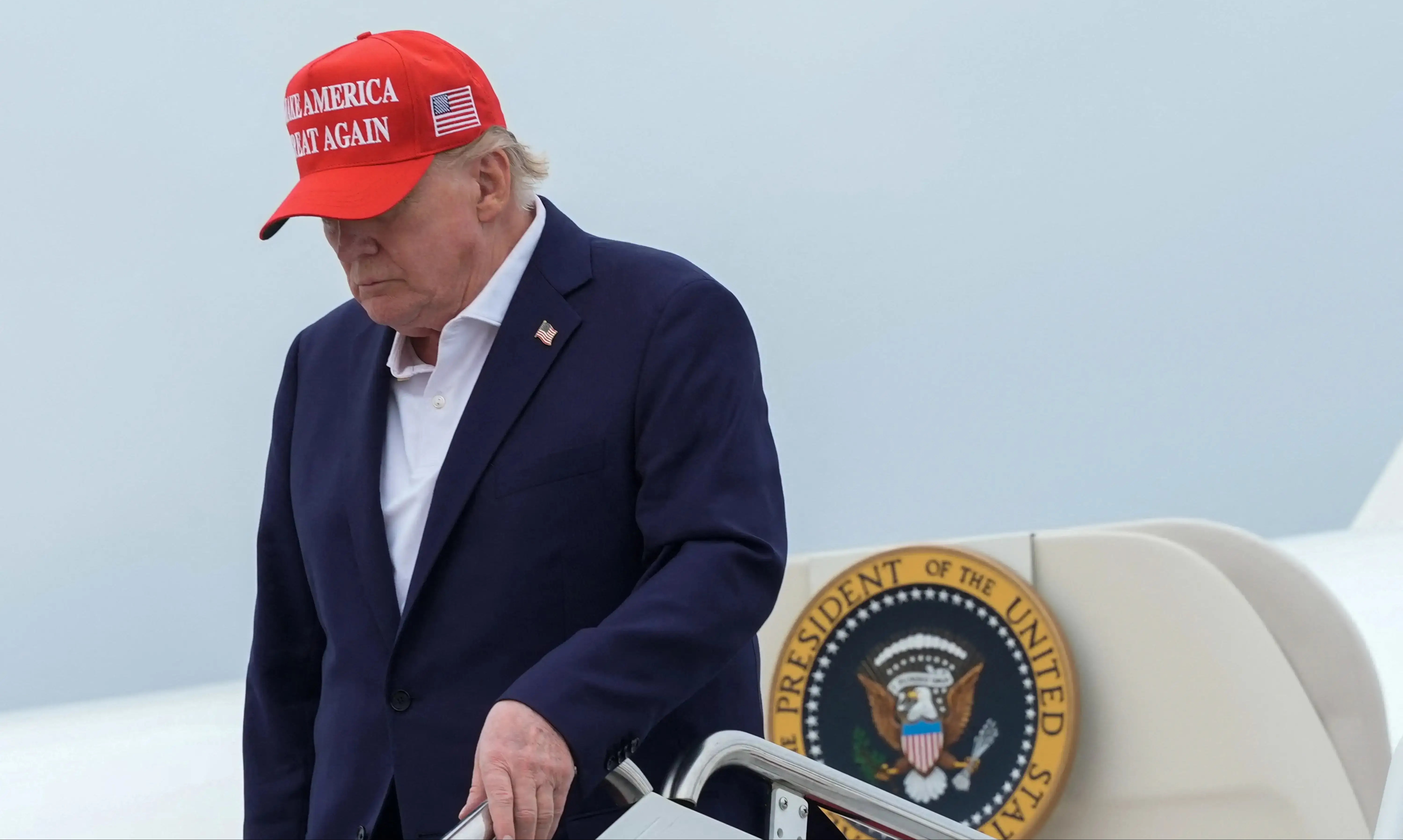
After the expiration of a 60-day deadline, President Trump stated that no talks or conversations are ongoing or scheduled with Iran, and the U.S. naval blockade remains in effect. This statement from President Trump contradicts earlier remarks by Jared
Kushner, who described contacts with the Iranian government as 'robust' and 'very positive and active conversations.' The Iranian Revolutionary Guard Corps (IRGC) has also denied President Trump's claim of back-channel talks with their officials. This divergence in statements highlights the uncertainty surrounding the U.S. approach to Iran following the deadline. Analysts suggest that the situation may evolve into an extended and unstable holding pattern, characterized by intensified economic pressure and continued naval blockade, rather than an immediate return to major military action or a diplomatic resolution. The current visible status quo may not fully reflect behind-the-scenes preparations, including intelligence operations or military targeting.
Why It's Important?
The current state of 'neither war nor peace' with Iran has significant implications for U.S. foreign policy and regional stability. The continued naval blockade and economic pressure aim to compel Iran to make concessions, but this strategy carries substantial risks. Iran's economy is already under severe strain, with high inflation and rising food prices, which could lead to internal instability. However, experts caution that economic deterioration does not automatically translate into political upheaval, as the Iranian government can implement measures to mitigate the impact. The lack of reliable communication channels between Washington and Tehran, unlike during the Cold War, increases the danger of tactical confrontations escalating into larger conflicts. This unstable holding pattern could also influence global trade, particularly concerning the Strait of Hormuz, as countries seek alternative transport corridors to reduce their vulnerability to regional tensions.
What's Next?
The immediate future suggests a continuation of the current 'holding pattern,' with the U.S. likely to maintain economic pressure and the naval blockade. Experts anticipate that military strikes against Iran could resume, though the nature of these strikes—whether limited 'knuckle wraps' to restore deterrence or the beginning of a new major phase of conflict—remains to be seen. The approaching midterm elections in the U.S. could also influence the administration's strategy, potentially favoring a prolonged period of pressure over a quick, decisive resolution. Meanwhile, countries in the Persian Gulf and Central Asia are expected to continue developing alternative infrastructure to lessen their dependence on the Strait of Hormuz, a critical chokepoint for global trade. The long-term trajectory will depend on whether economic pressures force a change in Iran's stance or if a significant event breaks the current stalemate.
Beyond the Headlines
The ongoing situation with Iran highlights a broader shift in international relations, where traditional diplomatic engagement is increasingly replaced by prolonged periods of economic and military pressure without clear pathways to resolution. The conflicting public statements from U.S. officials and the Iranian government underscore the opacity of modern geopolitical maneuvering, making it difficult to discern true intentions and potential outcomes. This environment fosters a climate of constant tension and unpredictability, where the human cost of economic warfare, affecting innocent Iranian citizens, often goes unaddressed in policy discussions. The reliance on economic sanctions and military deterrence, without robust diplomatic channels, risks unintended escalation and prolongs suffering, raising ethical questions about the efficacy and morality of such strategies in achieving long-term stability.