




What's Happening?
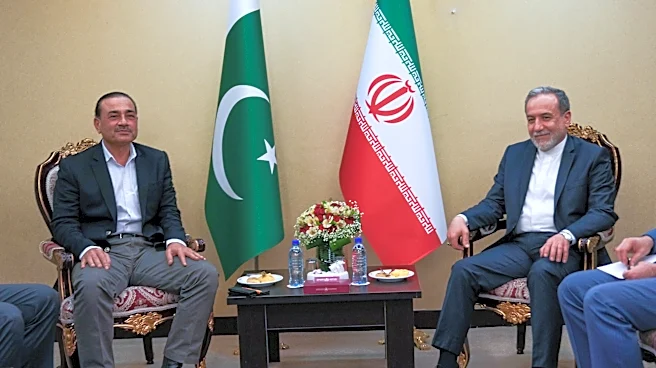
The Pakistani army chief, Asim Munir, has traveled to Tehran to facilitate renewed negotiations between the United States and Iran, following nearly seven weeks of conflict. The visit aims to address the ongoing US naval blockade of Iranian ports and the rising
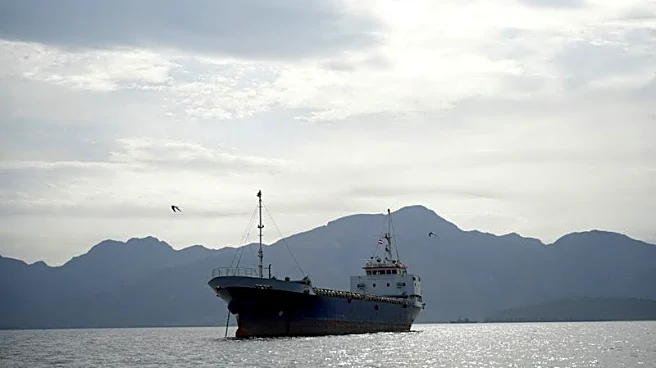
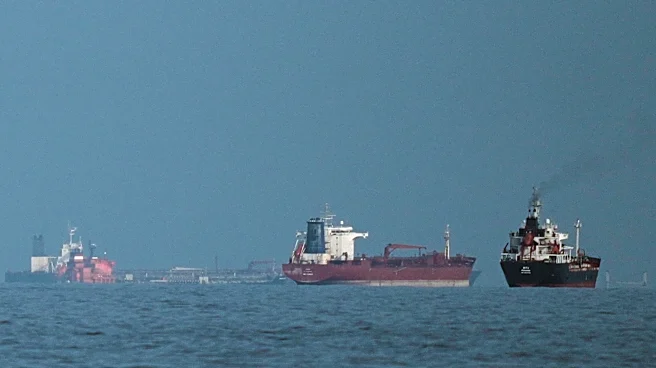
tensions in the Middle East. The blockade, which has significantly impacted global oil prices, is part of the US strategy to exert economic pressure on Iran. In response, Iran has threatened to halt regional trade if the blockade is not lifted. The mediation efforts focus on resolving key issues such as Iran's nuclear program, the status of the Strait of Hormuz, and compensation for wartime damages. Despite the tensions, there are reports of progress, with both nations reaching an 'in principle agreement' to extend the ceasefire to allow further diplomatic efforts.
Why It's Important?
The situation holds significant implications for global economic stability and regional security. The Strait of Hormuz is a critical chokepoint for global oil supply, and its closure has already led to increased oil prices, affecting economies worldwide. The US blockade aims to curb Iran's economic capabilities, but it also risks escalating military tensions in the region. Successful mediation by Pakistan could lead to a de-escalation of hostilities, potentially stabilizing oil markets and reducing the risk of broader conflict. However, failure to reach a diplomatic solution could exacerbate economic and security challenges, impacting international trade and energy supplies.
What's Next?
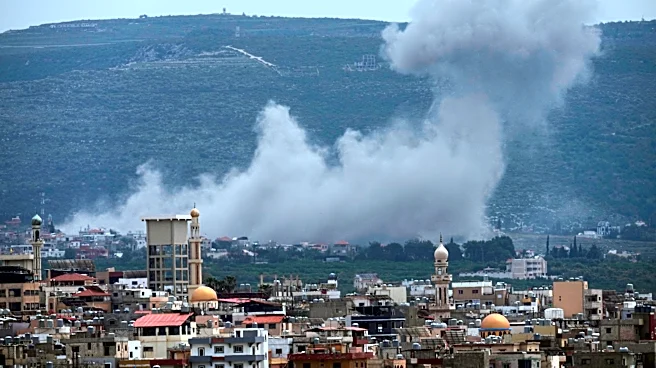
The next steps involve continued diplomatic efforts, with potential talks in Islamabad if the ceasefire is extended. The US and Iran must navigate complex issues, including Iran's nuclear ambitions and regional security dynamics. The involvement of other regional players, such as Israel and Lebanon, adds layers of complexity to the negotiations. The outcome of these talks could influence future US foreign policy in the Middle East and shape the geopolitical landscape. Stakeholders, including global oil markets and regional governments, will closely monitor developments, as the resolution of these tensions could have far-reaching consequences.
Beyond the Headlines
The conflict highlights broader geopolitical shifts, with countries like Pakistan playing a more prominent role in mediating international disputes. The situation underscores the interconnectedness of global economies and the potential for regional conflicts to have worldwide repercussions. Additionally, the emphasis on respecting Iran's sovereignty and ensuring freedom of navigation in the Strait of Hormuz reflects ongoing debates about international maritime law and the rights of littoral states. The resolution of this conflict could set precedents for future international negotiations and conflict resolution strategies.