




What's Happening?
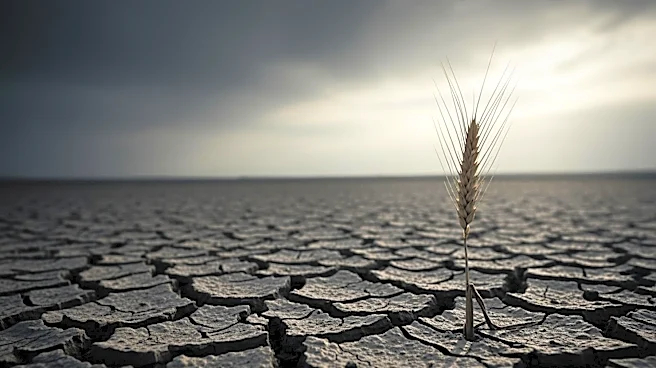
The ongoing conflict involving the US and Israel against Iran has significantly worsened global hunger, according to the United Nations World Food Programme (WFP). The conflict has led to a spike in oil prices, which in turn has increased food prices, affecting
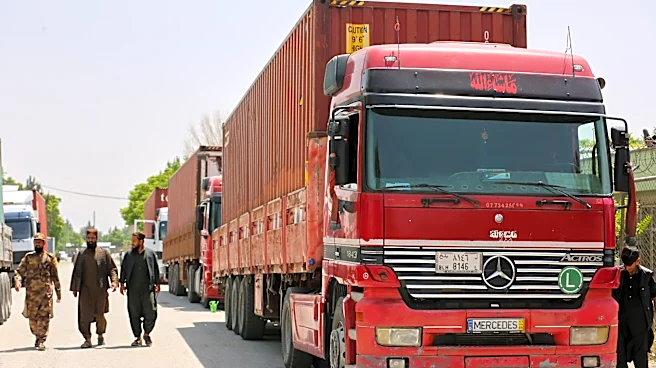
363 million people worldwide. Of these, 45 million are directly impacted by the Middle East conflict. The WFP has faced a substantial funding shortfall, with US contributions dropping by more than half, forcing the organization to prioritize aid for those in catastrophic famine conditions. The situation is further complicated by logistical challenges, such as blocked aid routes and increased transport costs, which have delayed food aid deliveries to critical regions like Afghanistan.
Why It's Important?
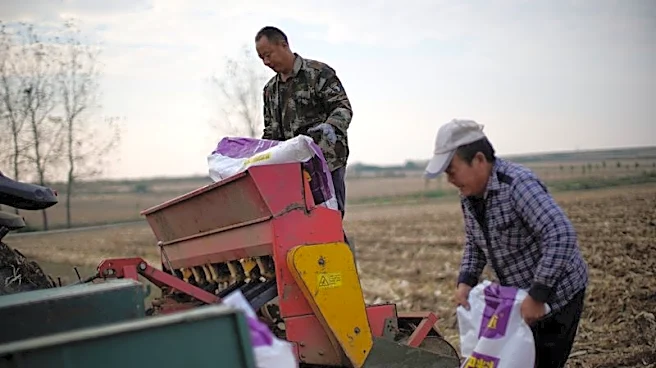
The reduction in US funding and the logistical challenges posed by the conflict have severe implications for global food security. The WFP's ability to deliver aid is compromised, leading to increased hunger and malnutrition in vulnerable regions. The conflict has also disrupted the global fertilizer supply chain, threatening future agricultural productivity, particularly in East Africa. This situation underscores the interconnectedness of global conflicts and humanitarian crises, highlighting the need for stable funding and international cooperation to address these challenges. The reduction in aid not only affects immediate hunger relief but also jeopardizes long-term food security and economic stability in affected regions.
What's Next?
The WFP is likely to continue facing challenges in securing adequate funding and navigating logistical hurdles as the conflict persists. The organization may need to seek alternative funding sources or partnerships to bridge the gap. Additionally, the ongoing disruption in fertilizer supply could lead to decreased agricultural yields, exacerbating food shortages in the coming planting seasons. International diplomatic efforts may be necessary to resolve the conflict and stabilize the region, which could help alleviate some of the humanitarian impacts. The global community may also need to explore innovative solutions to ensure food security in conflict-affected areas.
Beyond the Headlines
The conflict has broader implications for international norms and the safety of humanitarian workers. The erosion of the rule of law and increased risks to aid workers highlight the dangerous environment in which these organizations operate. The detention of WFP workers by Iranian-backed forces and the lack of accountability for attacks on humanitarian staff reflect a troubling trend that could deter future aid efforts. This situation calls for renewed international commitment to protecting humanitarian workers and upholding international humanitarian law.