
What's Happening?
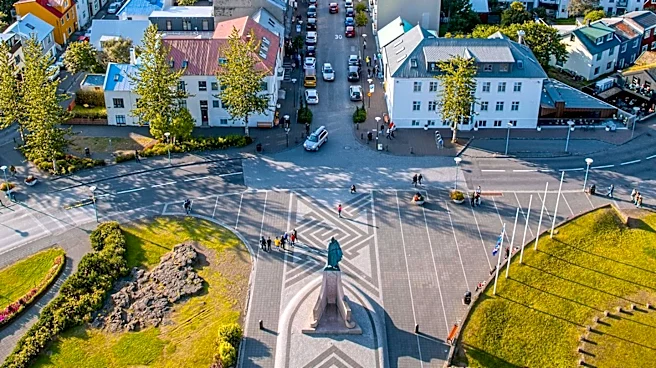
Reykjavik, Iceland, serves as the nation's capital and a primary gateway to its volcanic landscapes. The city provides a range of attractions, including the prominent Hallgrímskirkja church and opportunities for whale watching tours departing from its Old
Harbour. For travelers arriving at Keflavík airport, the Flybus service offers a reliable and affordable transfer option to the city, with departures scheduled every 35-45 minutes. Additionally, Reykjavik boasts various cultural tours that delve into its rich history, distinctive architecture, and vibrant art scene. One such offering is a walking tour led by Gigi, which guides participants through key landmarks like the Harpa Concert Hall and the Parliament building. Accommodation options in the city include the Nordurey Guesthouse, conveniently situated near the Reykjavik Museum of Photography, providing visitors with accessible lodging close to cultural sites.
Why It's Important?
The comprehensive tourism infrastructure in Reykjavik, including efficient transportation and diverse attractions, is crucial for Iceland's economy, which heavily relies on the tourism sector. The availability of reliable airport transfers like the Flybus ensures a smooth and positive initial experience for international visitors, encouraging further exploration and spending within the country. The variety of cultural and natural attractions, from architectural landmarks to whale watching, caters to a broad spectrum of tourist interests, thereby maximizing visitor engagement and length of stay. This robust tourism offering supports local businesses, creates employment opportunities, and contributes significantly to the national GDP. The strategic positioning of accommodations like Nordurey Guesthouse near key attractions further enhances the visitor experience, promoting accessibility and convenience, which are vital for sustaining and growing the tourism industry.
What's Next?
Continued efforts are likely to focus on enhancing the visitor experience in Reykjavik, potentially through the introduction of new tour packages and improved digital resources for tourists. The Flybus service will probably maintain its frequent schedule and explore further integration with hotel drop-off services to increase convenience. Local tour operators may develop more specialized cultural and adventure tours to cater to evolving tourist preferences, such as eco-tourism or niche historical explorations. The city's hospitality sector, including guesthouses and hotels, will continue to adapt to demand, potentially expanding capacity or upgrading facilities to accommodate the influx of visitors. Furthermore, there may be ongoing initiatives to promote sustainable tourism practices to preserve Iceland's unique natural environment while maximizing economic benefits.
Beyond the Headlines
The success of Reykjavik's tourism model highlights a broader trend in global travel towards experiential and culturally immersive journeys. The emphasis on local guides, historical sites, and natural wonders reflects a growing demand for authentic experiences over conventional sightseeing. This approach not only boosts the local economy but also fosters a deeper appreciation for Icelandic culture and environmental conservation among visitors. The efficient public transport system, exemplified by the Flybus, underscores the importance of integrated infrastructure in supporting tourism growth and reducing the environmental impact of individual travel. This model could serve as a blueprint for other destinations seeking to balance economic development with cultural preservation and environmental stewardship, demonstrating how thoughtful planning can create a sustainable and enriching tourism ecosystem.