




What's Happening?
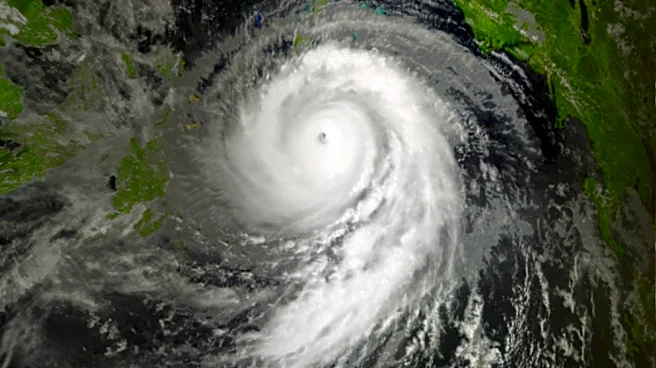
A tropical depression located far south of Japan is under close observation for potential intensification into a tropical storm, possibly as early as November 7. If this system reaches typhoon strength, it will be designated Typhoon No. 32. This would
mark a significant meteorological event, as it would be the first time in 32 years that the western North Pacific has recorded a 32nd named tropical storm within a single year. This potential development is particularly unusual for November, a month when Japan typically transitions into winter, and tropical cyclone activity affecting the region generally declines. Meanwhile, northern Japan is bracing for severe weather conditions, including violent winds and blizzards, expected from the evening of November 6, with authorities concerned about widespread disruption as rain turns to snow in colder areas.
Why It's Important?
The potential formation of Typhoon No. 32 highlights an unusual and potentially concerning trend in weather patterns for the western North Pacific, suggesting a prolonged or intensified typhoon season. While the immediate impact is on Japan, such anomalies can indicate broader shifts in global climate patterns that could eventually affect U.S. interests, particularly in the Pacific region. Increased frequency or intensity of typhoons can disrupt international shipping lanes, supply chains, and military operations in the Pacific, areas where the U.S. has significant economic and strategic presence. Furthermore, the contrast between unseasonably warm temperatures in central Japan and severe winter weather in the north underscores extreme weather variability, a phenomenon that has implications for disaster preparedness and climate adaptation strategies globally, including in the U.S. coastal regions vulnerable to tropical cyclones.
What's Next?
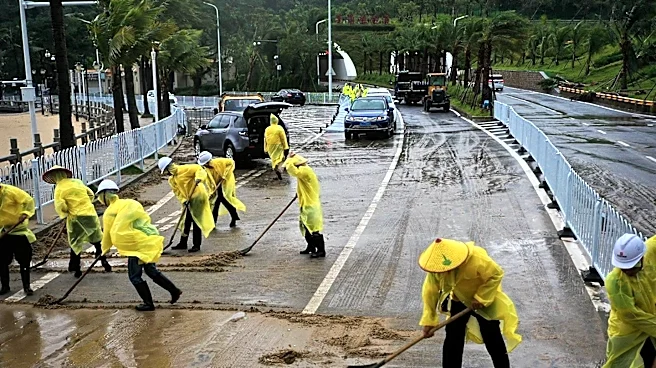
Meteorological agencies will continue to closely monitor the tropical depression for signs of strengthening. Residents in areas potentially affected by Typhoon No. 32, if it forms, will need to prepare for possible impacts, including heavy rainfall, strong winds, and associated hazards. For northern Japan, the immediate concern is the severe winds and blizzards expected from November 6, requiring residents to take precautions against hazardous travel and potential power outages. The dramatic weather contrasts across Japan are expected to persist, with Tokyo forecasting a sharp drop in temperatures after a brief period of summer-like warmth. This rapid shift in conditions will necessitate ongoing vigilance and adaptation from local authorities and the public to manage the diverse weather-related challenges.
Beyond the Headlines
The potential formation of Typhoon No. 32 in November, a historically late occurrence for such a high number of named storms, raises questions about the influence of climate change on tropical cyclone activity. While a single event cannot definitively prove a trend, it contributes to a growing body of evidence suggesting shifts in the timing, intensity, and frequency of extreme weather events. This has long-term implications for coastal infrastructure, disaster relief planning, and insurance industries worldwide, including in the U.S. The unusual juxtaposition of summer-like temperatures and impending blizzards within the same country further illustrates the increasing volatility of weather systems. Understanding these complex interactions is crucial for developing effective climate resilience strategies and mitigating future risks, both locally in affected regions and globally.