




What's Happening?
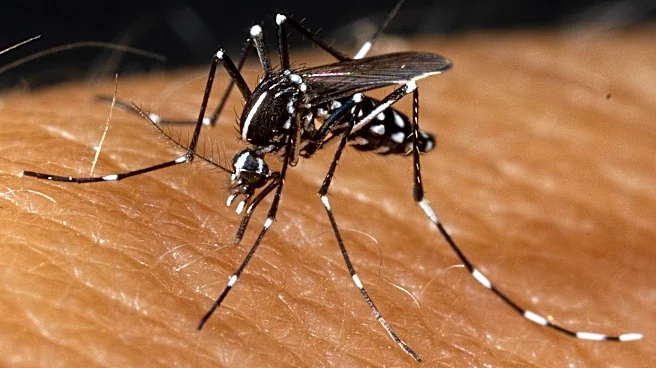
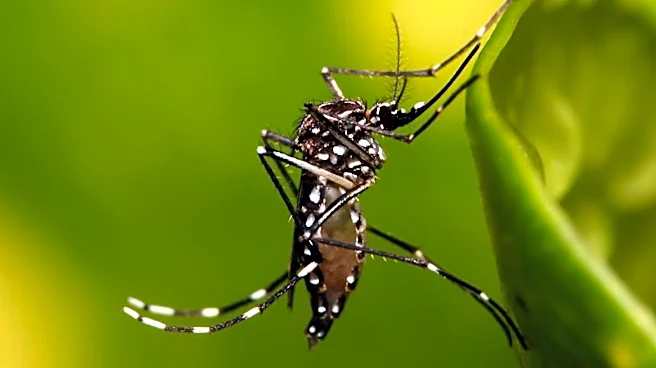
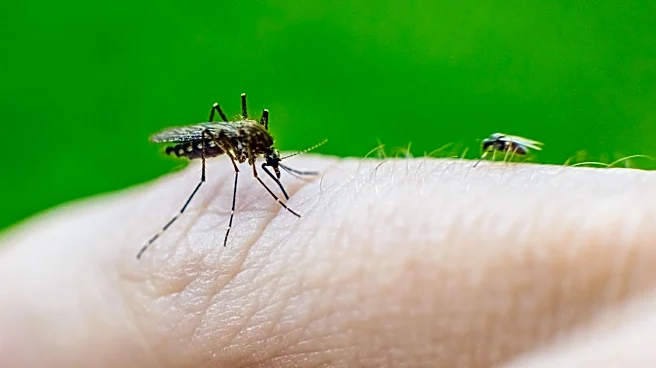
Scientists from the University of Florida’s Institute of Food and Agricultural Sciences (UF/IFAS) have discovered a non-native mosquito species, Aedes amateuri, in the U.S., previously only recorded in Mexico. While the species was found out West, Florida researchers
are closely monitoring the situation due to historical patterns of non-native species migrating eastward. Dr. Lawrence Reeves, an assistant professor of entomology at the UF/IFAS Florida Medical Entomology Laboratory (FMEL), suggests that a warming climate likely enabled this mosquito to expand its range and colonize new areas. DNA analysis of the discovered mosquitoes revealed that they feed on both humans and wildlife, including deer. Although it is not yet known if Aedes amateuri can transmit diseases, its feeding habits raise concerns, as many pathogens like West Nile virus circulate among wildlife before being transmitted to humans by mosquitoes. This discovery comes as Hillsborough County, Florida, accounts for a significant majority of the state's locally acquired dengue fever cases.
Why It's Important?
The discovery of a non-native mosquito species with a broad feeding range is a significant public health concern for the U.S. The ability of Aedes amateuri to feed on both humans and wildlife creates a potential bridge for zoonotic diseases to jump to human populations. This increases the risk of new or exacerbated outbreaks of mosquito-borne illnesses, particularly in regions already grappling with diseases like dengue and West Nile virus. The ongoing climate change, which facilitates the northward expansion of such species, means that areas previously unaffected by certain mosquito-borne diseases may become vulnerable. This necessitates enhanced surveillance and research efforts to understand the disease-carrying potential of Aedes amateuri and to develop proactive control strategies. The economic implications could include increased healthcare costs, disruptions to outdoor activities, and potential impacts on tourism in affected areas, highlighting the need for robust public health infrastructure and rapid response mechanisms.
What's Next?
Researchers will prioritize studying Aedes amateuri to determine its capacity to transmit diseases to humans. This will involve laboratory testing and field observations to understand its behavior and potential as a vector. Public health agencies, particularly in states like Florida that are already experiencing mosquito-borne disease outbreaks, will likely increase their surveillance for this new species. Recommendations for the public will continue to emphasize general mosquito bite prevention, such as using insect repellent and eliminating standing water, regardless of the specific mosquito species. The discovery also underscores the need for ongoing investment in entomological research and climate change adaptation strategies to anticipate and mitigate future threats from invasive species. Collaboration between federal and state agencies, as well as international partners, will be crucial for tracking the movement of such species and sharing knowledge on effective control measures.
Beyond the Headlines
The arrival of Aedes amateuri in the U.S. is a tangible manifestation of how global ecological shifts, driven by climate change, directly impact local ecosystems and public health. This event highlights the dynamic nature of disease ecology and the continuous challenge of managing invasive species. It raises ethical questions about human responsibility in altering natural environments and the subsequent consequences for biodiversity and human well-being. The interspecies feeding behavior of this mosquito also points to the complex web of interactions within ecosystems, where changes in one component can have cascading effects. This discovery serves as a critical reminder that public health is not isolated from environmental health, and that comprehensive solutions must address both. It also emphasizes the importance of scientific vigilance and proactive measures to protect against unforeseen biological threats, fostering a greater appreciation for the interconnectedness of all life on Earth.