








What's Happening?
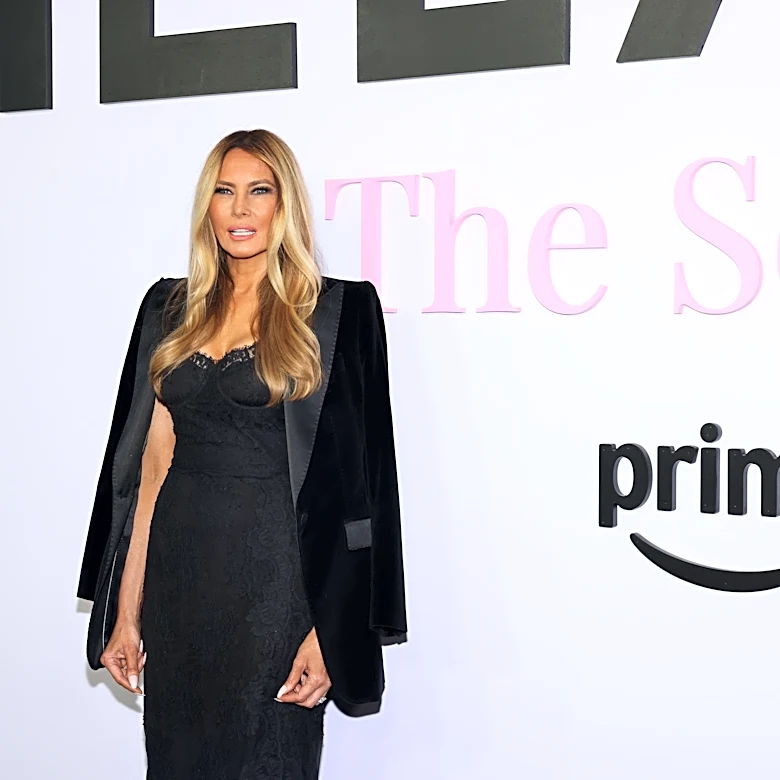
Susan Dell, philanthropist and wife of Dell Technologies founder Michael Dell, recently attended the 2026 Baby2Baby Gala in West Hollywood, California. This marked her first major red-carpet appearance since a viral White House visit last month. Her presence
at the charity event, which celebrated Baby2Baby's 15th anniversary and raised over $20 million for children in poverty across the U.S., once again drew significant online attention regarding her appearance and demeanor. Many social media users made unusual comparisons, describing her as 'reptilian,' 'alien,' or 'robotic.' This public reaction mirrors similar scrutiny she faced after her October 7 appearance at the White House alongside President Trump and Michael Dell, where they announced a $6.25 billion pledge for children's investment accounts. During that prior event, online discussions focused on her facial expressions and animated mannerisms, leading to speculation about cosmetic procedures. Despite the online commentary, the Baby2Baby Gala successfully raised substantial funds to support its mission of providing essential items to approximately 1.5 million children annually across all 50 states.
Why It's Important?
The recurring public scrutiny of Susan Dell's appearance highlights broader societal issues concerning public figures, privacy, and online commentary. While the Dells are engaged in significant philanthropic efforts, contributing billions to initiatives like the Trump Accounts program, their charitable work is being overshadowed by discussions about personal aesthetics. This situation underscores the challenges public figures face in maintaining focus on their professional and philanthropic endeavors when personal aspects become subjects of widespread online debate. The incident also reflects a trend where physical appearance can become a dominant narrative, potentially detracting from the substantive impact of individuals' contributions to society. For philanthropists like the Dells, this can complicate efforts to raise awareness and support for their causes, as media attention shifts from their charitable actions to their personal image. The online discourse also touches upon the 'Mar-a-Lago face' phenomenon, an internet term used to describe a specific aesthetic associated with women in President Trump's social and political circles, further politicizing discussions around personal appearance.
What's Next?
It is likely that Susan Dell will continue to face public scrutiny regarding her appearance in future public engagements, especially given the recurring nature of the online commentary. Her husband, Michael Dell, has subtly defended her in the past by reposting supportive messages on social media that highlight her charitable work, and this approach may continue. The focus from the Dell family and their supporters will likely remain on redirecting attention to their philanthropic contributions, such as the $6.25 billion pledge to children's investment accounts and their involvement with organizations like Baby2Baby. However, the ongoing online discussions suggest that public perception of her appearance may continue to be a parallel narrative. The broader conversation around public figures' appearances and the ethics of online commentary is also likely to persist, influencing how future public figures are perceived and discussed in the digital age.
Beyond the Headlines
The intense focus on Susan Dell's appearance extends beyond mere celebrity gossip, touching upon deeper societal implications regarding beauty standards, ageism, and the impact of social media. The phenomenon of 'Mar-a-Lago face' illustrates how political associations can influence perceptions of personal aesthetics, creating a cultural shorthand that can be both judgmental and divisive. This situation also raises ethical questions about the boundaries of public discourse, particularly when personal appearance becomes the primary subject of discussion, overshadowing significant philanthropic contributions. The online environment, with its capacity for rapid dissemination of opinions and images, amplifies these discussions, often without accountability for the impact on individuals. This case serves as a stark reminder of the pressures faced by public figures, especially women, to conform to certain aesthetic ideals, and the potential for online commentary to detract from their substantive work and contributions to society. It also highlights the ongoing tension between public interest and personal privacy in the digital age.