




What's Happening?
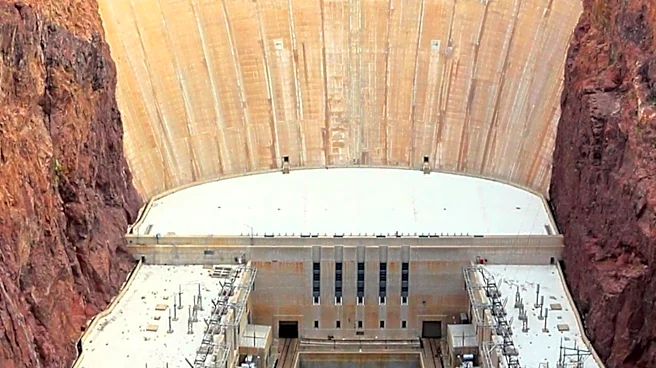
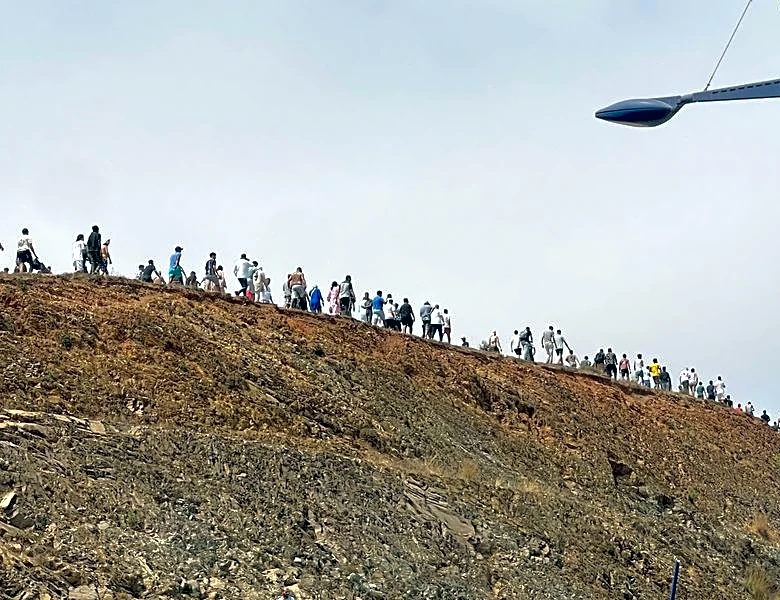
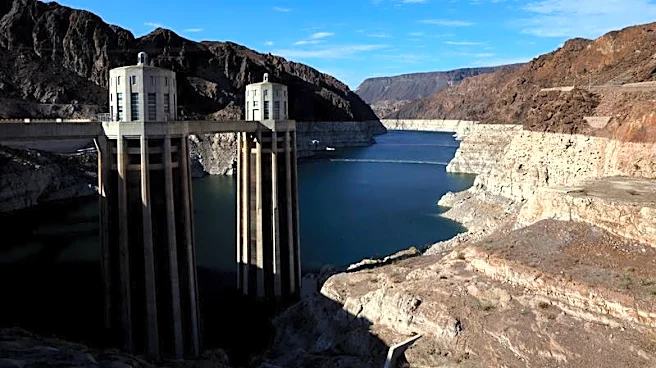
The Hoover Dam remains closed to visitors as federal officials and contractors continue to assess an equipment issue with the dam's cableway system. The closure, which began earlier this week, has left many tourists disappointed, including those who traveled
from distant locations. The U.S. Bureau of Reclamation has not provided a timeline for reopening, citing ongoing evaluations of the cableway system, which is crucial for moving large equipment across the Colorado River. The dam, a major tourist attraction, typically receives about 7 million visitors annually. The closure is due to an unexpected movement of the cableway carriage during routine maintenance, which placed additional stress on the system. While the dam and power plant continue to operate normally, visitor access remains restricted until the issue is resolved.
Why It's Important?
The prolonged closure of the Hoover Dam has significant implications for tourism and local businesses that rely on the influx of visitors. As one of the most visited dams in the world, the Hoover Dam is a key attraction in the region, drawing millions of tourists each year. The closure not only affects tourists but also impacts the local economy, including hotels, restaurants, and other businesses in the area. The situation highlights the importance of infrastructure maintenance and the potential economic consequences of unexpected closures. The ongoing assessment and repair efforts underscore the challenges of maintaining aging infrastructure and the need for timely updates to prevent disruptions.
What's Next?
Federal officials and contractors are working to safely reposition the cableway carriage and complete the necessary evaluations. Until these tasks are completed, the reopening date remains uncertain. The U.S. Bureau of Reclamation is expected to provide updates as the situation progresses. In the meantime, local businesses and tourism operators may need to adjust their strategies to mitigate the impact of the closure. Stakeholders, including local government and business leaders, may advocate for expedited repairs to minimize economic losses. The situation also raises questions about future infrastructure investments and maintenance priorities to prevent similar incidents.