



What's Happening?
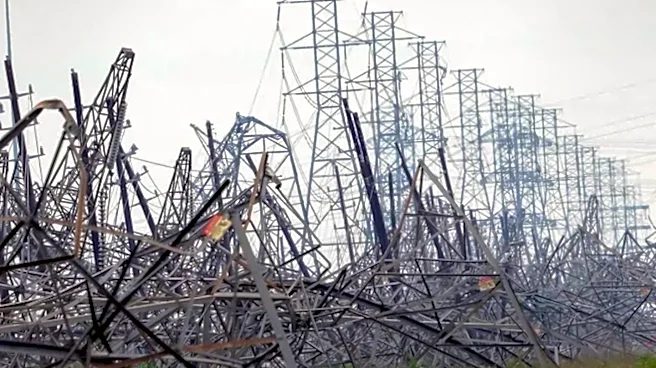
New power outages have struck Crimea, particularly in occupied Sevastopol, following recent attacks on energy infrastructure. The occupying authorities have attributed the severe power shortages to a new accident on the power grid located outside the peninsula.
Significant disruptions are reported across various settlements, including Simferopol, Yalta, and Feodosia. Local residents in the Simferopol district experienced prolonged electricity unavailability, followed by supply with significant voltage fluctuations before another blackout. Similar repeated power flickers and complete blackouts were recorded in Simferopol and Yalta. Oleg Kryuchkov, an advisor to the occupying head of Crimea, confirmed that restrictions on electricity supply are now in effect, and restoration efforts are underway. This situation follows previous power restrictions due to damage to main power grids, with Sevastopol operating on a '2 out of 6' schedule, meaning two hours of electricity followed by six hours of outage.
Why It's Important?
The recurring power outages in Crimea highlight the ongoing vulnerability of critical infrastructure in the region amidst geopolitical tensions. These disruptions severely impact daily life for residents, affecting essential services and economic activities. The reliance on external power grids, as indicated by the 'accident outside the peninsula,' underscores the fragility of the energy supply chain in occupied territories. For the occupying authorities, these outages present a significant challenge to maintaining stability and control, potentially fueling discontent among the local population. The continued targeting or disruption of energy facilities also signifies a broader strategy of attrition, aiming to exert pressure and disrupt operational capabilities in the region. The impact extends beyond immediate inconvenience, potentially affecting healthcare, communication, and public safety, thereby exacerbating humanitarian concerns.
What's Next?
In response to the ongoing power crisis, authorities in occupied Crimea have extended school holidays until November 9, with further changes to be announced as the situation evolves. Local authorities will independently determine daycare operating schedules based on the immediate power situation. Restoration work on the damaged power grids is ongoing, but the timeline for full recovery remains uncertain given the reported 'accident' and previous damages. Residents can expect continued electricity supply restrictions and scheduled outages, particularly in Sevastopol, which is already on a '2 out of 6' power schedule. The situation may prompt further measures to conserve energy or seek alternative power sources, though these options may be limited. The ongoing disruptions could also lead to increased public frustration and calls for more stable infrastructure solutions from the occupying administration.
Beyond the Headlines
The persistent power outages in Crimea underscore deeper issues related to infrastructure resilience and geopolitical conflict. The repeated disruptions highlight the strategic importance of energy infrastructure as a target in modern conflicts, aiming to cripple logistical capabilities and civilian morale. Beyond the immediate inconvenience, these outages contribute to a broader sense of instability and uncertainty for the population, potentially leading to long-term social and economic consequences. The narrative surrounding the 'accident' outside the peninsula also raises questions about the transparency and reliability of information provided by the occupying authorities. This situation could further entrench divisions and distrust, complicating any future reintegration efforts. The vulnerability of essential services in occupied territories also brings to light the ethical considerations of civilian welfare during prolonged conflicts.