

What's Happening?
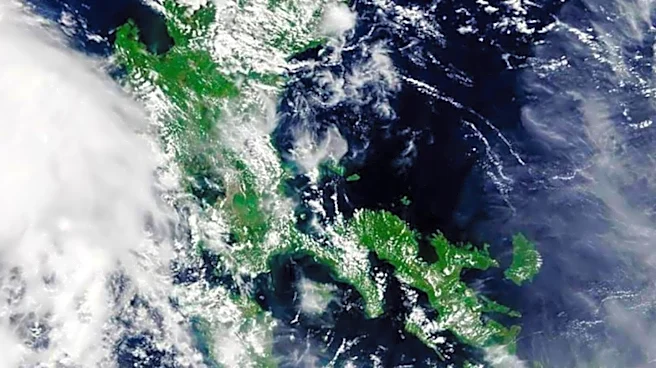
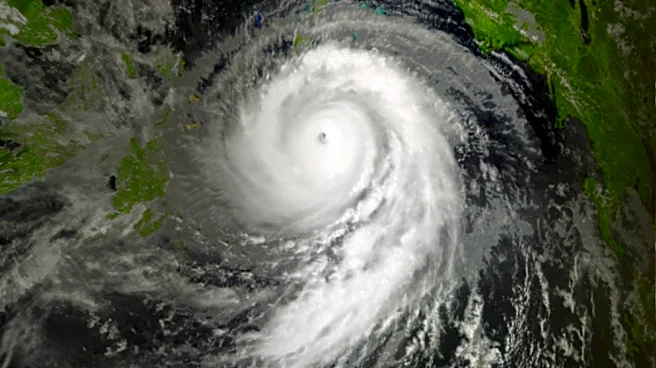
Typhoon Samuel, internationally known as Cempaka, is set to enter the Philippine Area of Responsibility (PAR) today, according to the Philippine Atmospheric, Geophysical and Astronomical Services Administration (PAGASA). As of yesterday afternoon, the tropical
cyclone was located 1,600 kilometers east of extreme Northern Luzon. It is currently moving west-northwestward at 20 kilometers per hour, with sustained winds of 120 kilometers per hour and gusts of up to 150 kilometers per hour. Despite its entry into PAR, Typhoon Samuel is not expected to make landfall in the Philippines and will not significantly affect the country's weather conditions. PAGASA forecasts that the typhoon will recurve and exit PAR by tomorrow morning. Meanwhile, Metro Manila and the rest of the country are expected to experience partly cloudy to cloudy skies with isolated rain showers or thunderstorms, influenced by the easterlies. Additionally, three areas—Catarman in Northern Samar, Borongan in Eastern Samar, and Zamboanga City—are projected to reach a danger level heat index of 42 degrees Celsius.
Why It's Important?
While Typhoon Samuel is not anticipated to directly impact the Philippines with landfall, its presence in the region highlights the ongoing vulnerability of Southeast Asian nations to tropical cyclones. The regular occurrence of such weather phenomena necessitates robust disaster preparedness and early warning systems, even for typhoons that do not make direct landfall. The indirect effects, such as altered weather patterns and increased rainfall in certain areas, can still pose risks to agriculture and local communities. Furthermore, the concurrent high heat index warnings in several Philippine cities underscore the dual climate challenges faced by the country: extreme weather events and rising temperatures. This situation emphasizes the importance of public awareness regarding both typhoon safety protocols and heat-related health precautions, particularly for vulnerable populations. The continuous monitoring by agencies like PAGASA is crucial for providing timely information that allows residents to take necessary preventive measures.
What's Next?
Typhoon Samuel is expected to recurve and exit the Philippine Area of Responsibility by tomorrow morning, indicating a short-term presence within the monitored zone. PAGASA will continue to track its movement and provide updates, though no significant direct impact on the Philippines is foreseen. Residents in Metro Manila and other parts of the country should anticipate continued partly cloudy to cloudy skies with isolated rain showers and thunderstorms due to the prevailing easterlies. For the areas under a danger level heat index warning—Catarman, Borongan, and Zamboanga City—local authorities and health officials will likely advise residents to take precautions against heatstroke and dehydration. This includes staying hydrated, avoiding prolonged exposure to the sun, and seeking cooler environments. The focus will shift from typhoon preparedness to managing the general weather conditions and heat advisories in the coming days.
Beyond the Headlines
The routine entry and exit of typhoons like Samuel into the Philippine Area of Responsibility, even without landfall, underscore a broader narrative of climate resilience and adaptation in the region. While this specific typhoon may not cause immediate devastation, the cumulative effect of frequent weather disturbances places continuous strain on infrastructure, emergency services, and public health systems. The simultaneous warning of a 'danger level' heat index in multiple cities further illustrates the complex and multifaceted climate challenges faced by the Philippines. This scenario highlights the need for integrated climate strategies that address both extreme weather events and gradual environmental shifts like rising temperatures. It also brings to light the importance of public education on climate literacy, enabling communities to understand and respond effectively to diverse weather-related threats, fostering a culture of preparedness that extends beyond immediate typhoon warnings to encompass broader climate impacts.