




What's Happening?
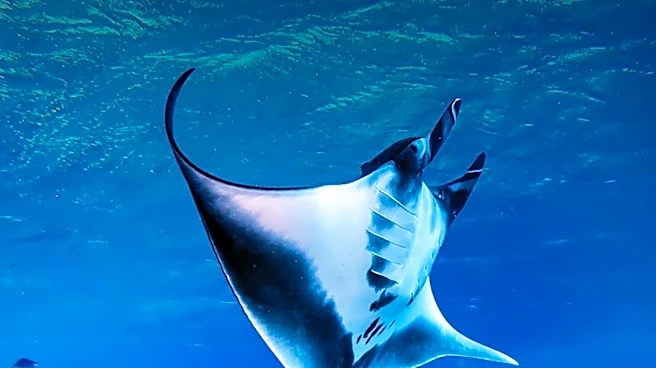
The Kona Coast of West Hawai'i continues to be a significant attraction for tourists, drawing approximately 80,000 visitors annually to observe its resident manta ray population. Researchers and divers have identified only about 318 individual manta rays
in the area since 1979, with these creatures rarely leaving the Kona Coast, which they have made their permanent home. The Manta Pacific Research Foundation, co-founded by Keller Laros, is actively engaged in research, education, and conservation efforts for these manta rays. On most nights in Kailua-Kona, large spotlights are used to attract plankton, which in turn lures the reef manta rays from deeper waters to feed, providing a unique viewing experience for tourists. Two primary feeding congregations are observed in Garden Eel Cove and off the Outrigger Kona Resort and Spa in Keauhou. The Outrigger Kona Resort and Spa has also hosted an annual World Manta Day Celebration for the past five years, dedicated to marine science, culture, and conservation.
Why It's Important?
The consistent attraction of 80,000 tourists annually to witness the Kona Coast's manta rays highlights the significant economic and ecological value of this unique marine ecosystem. This tourism generates revenue for local businesses, including tour operators and hospitality services, supporting the regional economy. However, the vulnerability of this small, familial manta ray population, as emphasized by researcher Keller Laros, underscores the critical need for ongoing conservation efforts. The fact that these manta rays rarely leave the area and that females only reproduce at their birth island makes them particularly susceptible to local environmental changes and human impact. Research into their genetics, social hierarchies, and migration patterns is vital for understanding and protecting them. The educational initiatives, such as the World Manta Day Celebration and the Manta Ray Identification Project, play a crucial role in raising public awareness and fostering responsible tourism, ensuring the long-term sustainability of both the manta ray population and the associated tourism industry.
What's Next?
Ongoing research by the Manta Pacific Research Foundation will continue to focus on understanding the genetics and social behaviors of the Kona Coast manta rays. This includes analyzing DNA to map population genetics and exploring potential social hierarchies within manta ray squadrons. Conservation efforts will likely intensify, given the vulnerability of these isolated populations to human impacts such as boat strikes, habitat loss from coastal development, and fishing line entanglement. Educational programs and responsible tourism practices will remain key components of these efforts, aiming to minimize disturbance to the manta rays while allowing visitors to experience them. The annual World Manta Day Celebration is expected to continue, serving as a platform for marine science, culture, and conservation. Furthermore, the Manta Ray Identification Project will persist in cataloging individual manta rays, providing crucial data for tracking their health and movements. The findings from these studies will inform future conservation strategies and policy decisions to protect these magnificent creatures and their habitat.
Beyond the Headlines
The story of the Kona Coast manta rays extends beyond tourism and scientific research, touching upon deeper cultural and ethical considerations. Manta rays, known as hāhālua in 'ōlelo Hawai'i, hold significant cultural importance for Native Hawaiians, often regarded as 'aumakua (ancestral guardians) that offer protection and guidance. This cultural reverence adds another layer of imperative to their conservation, transforming it from a purely ecological concern into a matter of cultural heritage and respect. The vulnerability of these populations, coupled with their slow reproductive rates, highlights the delicate balance between human activity and marine life. The efforts to protect them reflect a growing global awareness of the interconnectedness of ecosystems and the ethical responsibility to safeguard biodiversity. This situation also prompts reflection on the impact of human presence, even in seemingly benign activities like wildlife viewing, and the need for sustainable practices that honor both nature and culture.