







What's Happening?
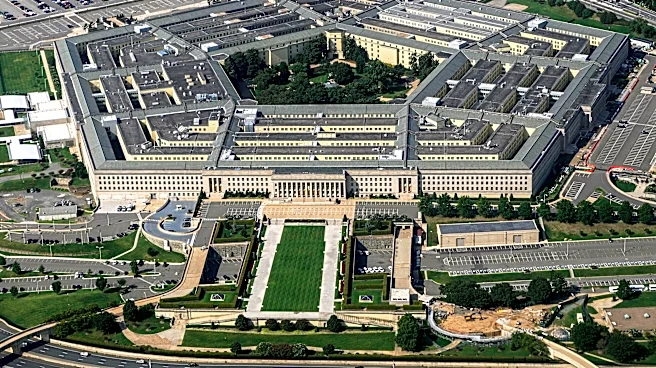
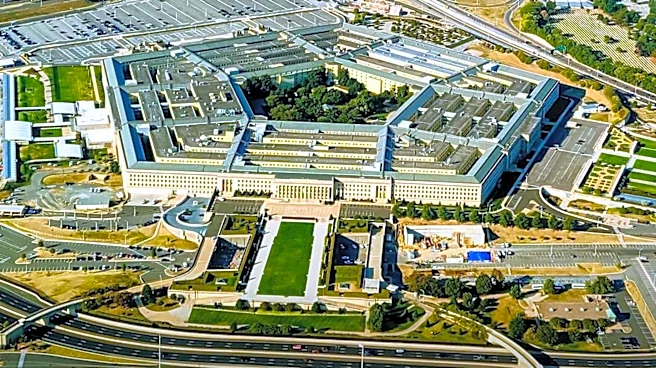
A federal judge has ordered the Pentagon to temporarily halt its policy requiring journalists to be accompanied by an official escort, following a lawsuit by The New York Times. The judge, Paul L. Friedman, ruled that the policy violated the First Amendment
rights of the press. The decision is part of an ongoing legal battle between the Times and the Defense Department over media access restrictions. The Pentagon's policy was implemented to prevent unauthorized disclosures of sensitive information, but the court found it overly restrictive. The ruling may apply to all journalists, not just those from the Times, although the exact scope remains unclear.
Why It's Important?
This ruling is a significant affirmation of press freedom and the First Amendment, particularly in the context of government transparency and accountability. By challenging the Pentagon's restrictions, the court has reinforced the role of the media in providing oversight and informing the public about military activities. The decision could influence future policies regarding media access to government facilities and information. It also highlights the ongoing tension between national security concerns and the rights of the press, a critical issue in democratic societies.
What's Next?
The Pentagon has expressed its disagreement with the ruling and may seek to appeal the decision. The legal battle is likely to continue, with potential implications for media access policies across other government agencies. The outcome could set a precedent for how the government balances security measures with press freedoms. Journalists and media organizations will be closely monitoring the case, as it may impact their ability to report on military and government activities without undue restrictions.