




What's Happening?
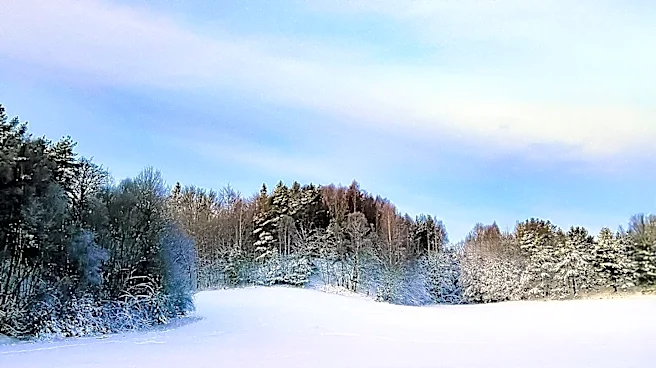
NASA's Global Land Data Assimilation System (GLDAS) has provided insights into the changing winter weather patterns in Wisconsin, comparing data from the winter of 1977-1978 to 2018-2019. The analysis shows significant changes in surface temperatures
over the decades, highlighting less predictable winter weather. This study uses historical data to validate personal recollections of past weather conditions, offering a 'reality check' on perceived climate changes. The data indicates a shift in temperature patterns, which could have implications for local ecosystems and weather predictability.
Why It's Important?
Understanding changes in winter weather patterns is crucial for preparing for future climate impacts. The data from NASA's GLDAS helps scientists and policymakers assess the extent of climate change and its effects on regional weather. This information is vital for developing strategies to mitigate adverse impacts on agriculture, infrastructure, and public health. The study also underscores the importance of historical data in validating climate models and improving the accuracy of future weather predictions.
What's Next?
Further research using NASA's GLDAS and other climate models will continue to monitor and analyze weather patterns in Wisconsin and other regions. This ongoing research will inform climate adaptation strategies and policy decisions aimed at reducing vulnerability to climate change. Public awareness campaigns may also be launched to educate communities about the importance of climate resilience and the role of scientific data in understanding environmental changes.