
What's Happening?
The Minnesota National Guard has been mobilized in response to ongoing protests in Minneapolis against the Trump administration's immigration policies. The protests intensified following the fatal shooting
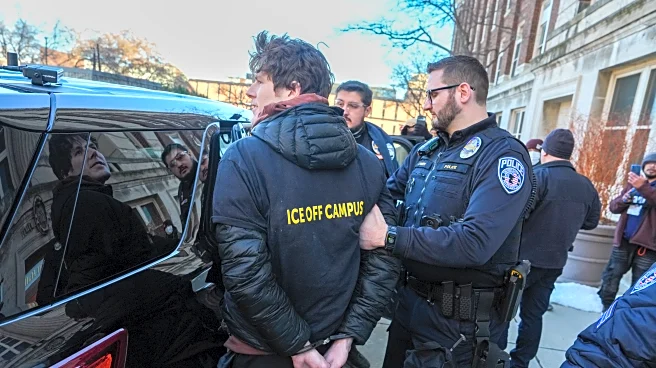
of Renee Good, a 37-year-old mother, by an Immigration and Customs Enforcement (ICE) agent. Demonstrators have taken to the streets, leading to confrontations with federal officers. The protests are part of a broader reaction to the Trump administration's Operation Metro Surge, which targets undocumented Somali immigrants in the Twin Cities. The operation has involved aggressive tactics by federal agents, sparking public outrage. In response to the protests, Minnesota Governor Tim Walz has ordered the National Guard to be ready to support local law enforcement, although they have not yet been deployed to city streets.
Why It's Important?
The mobilization of the National Guard and the ongoing protests highlight the significant tension between federal immigration enforcement and local communities. The situation underscores the broader national debate over immigration policies and the use of federal force in local jurisdictions. The protests in Minneapolis reflect widespread dissatisfaction with the Trump administration's immigration crackdown, which has been criticized for its aggressive tactics. The involvement of the National Guard indicates the seriousness of the situation and the potential for escalation. This development could influence public opinion and policy discussions on immigration enforcement and the role of federal agencies in local matters.
What's Next?
The situation in Minneapolis is likely to continue evolving as protests persist and legal challenges to federal actions proceed. A recent court ruling has placed restrictions on federal agents, limiting their ability to arrest peaceful protesters and use certain crowd-control measures. This ruling may impact how federal operations are conducted in the future. Additionally, the Department of Justice is reportedly investigating Minnesota officials for potential obstruction of federal law enforcement, which could lead to further legal and political ramifications. The outcome of these investigations and legal proceedings will be closely watched, as they may set precedents for federal and local interactions in immigration enforcement.