


What's Happening?
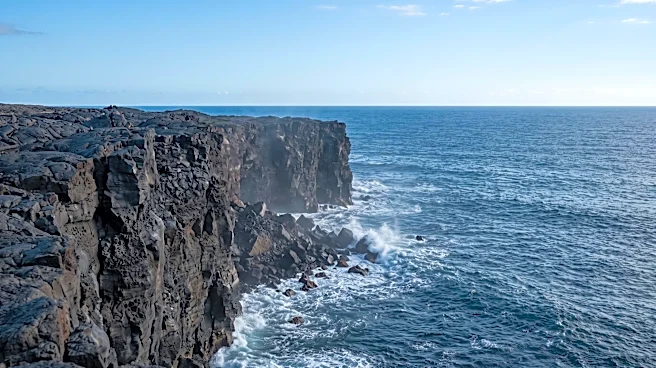
The famed 90-foot Holei Sea Arch, located in Hawaii Volcanoes National Park, has collapsed into the Pacific Ocean. Park officials confirmed that the collapse occurred on Hawaii Island on Sunday. The impressive sea arch, which was approximately 90 feet
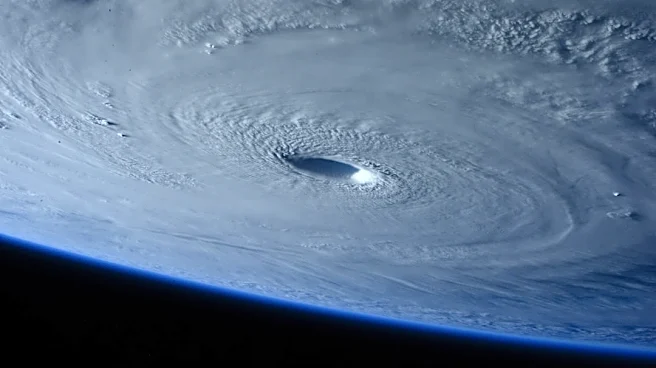
high and extended from steep sea cliffs, was formed about 550 years ago through differential erosion of ancient lava flows. While the exact time of the collapse is unknown, it was observed to have fallen between September 23 and September 27, potentially during the temporary park closure due to Hurricane Nolo.
Why It's Important?
The collapse of the Holei Sea Arch represents a significant natural event and a loss of a beloved geological landmark within Hawaii Volcanoes National Park. Sea arches are dynamic formations constantly shaped by natural forces, and their collapse is a testament to the ongoing geological processes that define volcanic islands. For visitors and residents, the arch was a popular attraction and a symbol of the island's unique volcanic landscape. Its disappearance alters the natural beauty of the coastline and serves as a reminder of the transient nature of geological features. The event also highlights the impact of natural phenomena, such as hurricanes, on coastal erosion and landform evolution.
What's Next?
Hawaii Volcanoes National Park officials will likely update park maps and visitor information to reflect the absence of the Holei Sea Arch. While the arch itself is gone, the area will continue to be monitored for geological activity and coastal changes. Visitors to the Chain of Craters Road will now encounter a different landscape at its end. The park may use this event as an educational opportunity to inform the public about the dynamic geological processes that shape Hawaii's volcanic environment. There will be no efforts to restore the arch, as its collapse is a natural part of the geological cycle.
Beyond the Headlines
The collapse of the Holei Sea Arch carries deeper implications regarding the interaction between natural forces and human perception of permanence. While a natural occurrence, the loss of such a prominent landmark can evoke a sense of melancholy and underscore the vulnerability of even the most majestic natural structures. It also serves as a powerful illustration of geological time and the continuous reshaping of the Earth's surface. For the scientific community, the event provides valuable data on coastal erosion rates and the long-term effects of volcanic activity and ocean forces. Culturally, it may prompt reflections on the transient nature of existence and the importance of appreciating natural wonders while they last.