







What's Happening?
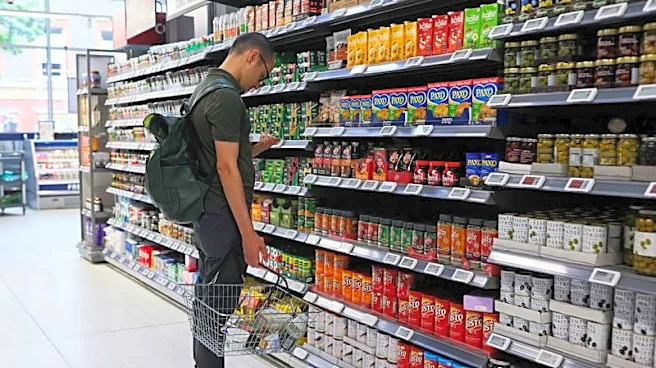
Grocery prices in the U.S. experienced a slight decrease of 0.1% on a seasonally adjusted basis in July, according to the U.S. Bureau of Labor Statistics (BLS). This modest decline follows a significant surge in the spring, which marked the largest monthly
spike in four years. Despite the overall dip, certain food staples continue to see price increases. Fresh fruits and vegetables collectively jumped 5.5% compared to a year prior, with apple prices climbing 11.1% and tomatoes soaring 12.8%. Beef and veal prices rose 9.4% year-over-year, and coffee prices increased by over 10%. Conversely, egg prices plummeted more than 25.7% over the year ending in July, indicating a recovery from a bird flu-induced shortage. Lettuce prices also dropped 15.1% from June to July, partly due to consumers avoiding it after a cyclosporiasis outbreak linked to shredded iceberg lettuce.
Why It's Important?
The fluctuating grocery prices have a direct impact on American households' budgets and the broader economy. While a slight overall decrease in July offers some relief, the continued rise in prices for essential items like beef, tomatoes, and coffee means that many consumers are still facing financial strain. Drought-related shortages are a primary driver for the increased costs of coffee and beef, highlighting the vulnerability of food supply chains to environmental factors. Tariffs, though some were removed by the Trump administration last fall, have also played a role in price escalation for certain imported goods like Mexican tomatoes. The recovery in egg prices demonstrates how quickly the market can respond to and recover from supply shocks, such as the bird flu outbreak. The decline in lettuce prices due to a foodborne illness outbreak underscores the significant economic consequences that health-related incidents can have on specific agricultural sectors.
What's Next?
The trajectory of grocery prices will likely continue to be influenced by a combination of environmental factors, global supply chain dynamics, and consumer demand. Ongoing drought conditions could further impact the prices of coffee and beef, while potential future tariffs or trade policies could affect imported produce. The agricultural sector will need to adapt to climate challenges to stabilize supply and prices. Consumers may continue to see volatility in specific food categories, necessitating adaptive shopping strategies. The slight overall dip in July could be a temporary reprieve or the beginning of a more sustained cooling trend, but the underlying pressures on certain staples suggest that price stability for all food items is not immediately foreseeable. Monitoring the BLS reports in the coming months will be crucial to understand these evolving trends.
Beyond the Headlines
The persistent price increases in certain food categories, even amidst an overall slight decline, reveal deeper systemic issues within the U.S. food supply chain. The reliance on imports for items like tomatoes from Mexico exposes consumers to international weather events and trade policies. The impact of drought on beef and coffee prices highlights the long-term challenges posed by climate change to agricultural productivity and food security. Furthermore, the rapid recovery of egg prices after a bird flu outbreak, contrasted with the slower recovery or continued increases in other sectors, points to varying levels of resilience and market elasticity across different food industries. These trends could lead to shifts in consumer purchasing habits, potentially favoring more affordable alternatives or increasing demand for locally sourced goods to mitigate supply chain risks. The incident with lettuce and cyclosporiasis also underscores the critical importance of food safety regulations and public health communication in maintaining consumer trust and market stability.