
What's Happening?
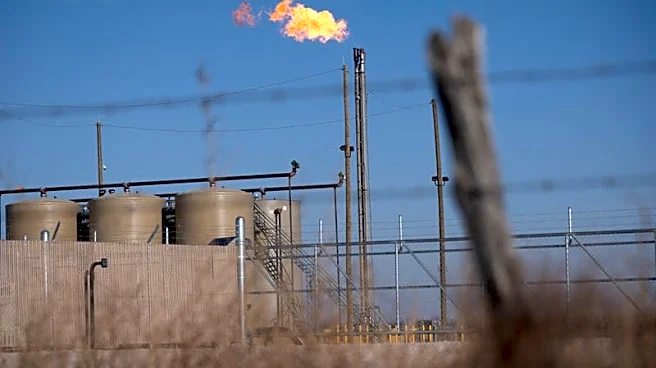
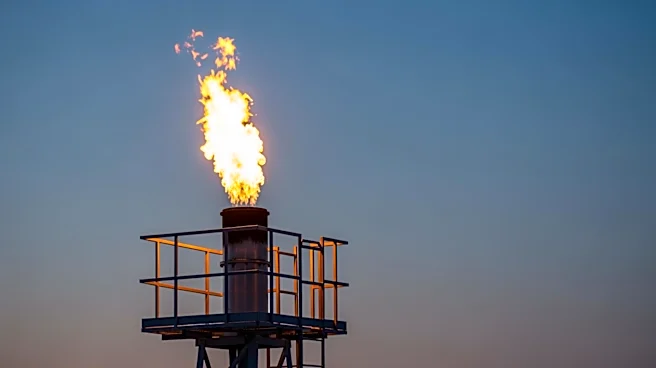
The U.S. Environmental Protection Agency (EPA) has updated federal regulations to permit limited routine flaring of associated gas at new oil wells under specific conditions, extending beyond the 2026
phaseout deadline. This regulatory update applies to oil and natural gas wells that begin construction after May 7, 2024. The change provides operators with more flexibility in managing associated gas, particularly in areas where takeaway or infrastructure constraints exist. Industry groups, such as the Independent Petroleum Association of America (IPAA), have welcomed the clarification, noting it offers essential regulatory guidance for independent producers. The policy is part of broader federal efforts to regulate methane emissions and associated gas handling in upstream oil and gas operations.
Why It's Important?
The EPA's decision to allow limited routine flaring at new oil wells is significant for the oil and gas industry, particularly in regions like the Permian Basin, where infrastructure constraints can limit gas takeaway capacity. By providing regulatory clarity, the update helps ensure that producers can continue operations within the EPA's framework, potentially reducing operational disruptions. This move could also impact the broader U.S. energy market by influencing how companies manage emissions and infrastructure investments. The decision reflects ongoing federal efforts to balance environmental regulations with industry needs, which could have long-term implications for energy policy and environmental standards.
What's Next?
As the updated rule takes effect, oil and gas operators will likely assess their current and future projects to align with the new regulations. The industry may see increased investment in infrastructure to manage associated gas more effectively, potentially reducing flaring intensity over time. Stakeholders, including environmental groups and policymakers, may continue to monitor the implementation of these regulations to ensure compliance and assess their environmental impact. The EPA's approach could also influence future regulatory decisions related to methane emissions and energy production.