





What's Happening?
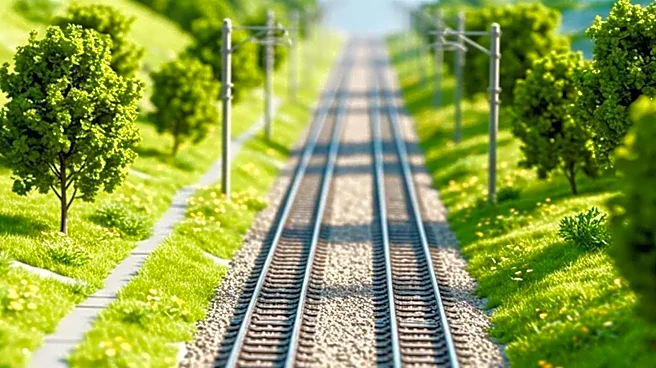
The Commonwealth of Virginia, through its Department of Transportation (VDOT), has launched a Smart Scale project aimed at transforming existing rail corridors into shared-use paths for pedestrians and cyclists. This initiative focuses on a specific route
in Northampton County, extending from Sunnyside Road in Cheriton to Birdnest Drive in Birdnest, within the Hampton Roads district. The project's primary goal is to enhance transportation infrastructure by repurposing these rail lines. The scope of work for the selected contractor includes various construction activities such as clearing and grubbing, providing bedding material aggregate, performing undercut and borrow excavation, installing check dams and siltation control measures, managing petroleum-contaminated soil, constructing asphalt concrete surfaces, installing curbs, sidewalks, fencing, and traffic control devices, and implementing erosion control measures. The contract period is set to begin upon award, with a completion date scheduled for August 7, 2028. Bidders are required to meet VDOT's prequalification standards, submit a bid bond, and comply with all applicable labor standards, including prevailing wage rates determined by the U.S. Department of Labor.
Why It's Important?
This project is significant for U.S. communities, particularly in Virginia, as it represents a growing trend in urban and regional planning to convert disused infrastructure into public amenities. The conversion of rail corridors into multi-use trails offers numerous benefits, including improved public health through increased opportunities for walking and cycling, enhanced local connectivity, and potential economic boosts from tourism and increased property values along the trails. For residents of Northampton County, this development will provide new recreational spaces and alternative transportation options, reducing reliance on vehicular travel for short distances. The project also highlights VDOT's commitment to sustainable infrastructure development and community-focused planning. Contractors involved in this project stand to gain from significant public works contracts, while local businesses may see increased patronage from trail users. The emphasis on labor standards and prevailing wage rates also underscores a commitment to fair labor practices within public projects.
What's Next?
The next steps involve the selection of a qualified contractor who meets VDOT's stringent prequalification requirements and bid specifications. Once awarded, the contractor will commence with the detailed construction activities outlined in the project scope. The project is expected to proceed with various phases of development, from initial site preparation to the final installation of asphalt surfaces, curbs, and landscaping. Regular oversight from VDOT will ensure compliance with environmental regulations, construction standards, and the specified timeline. Community engagement may also continue throughout the project's duration to keep local residents informed of progress and any potential disruptions. Upon its scheduled completion in August 2028, the new shared-use path will become operational, providing a new asset for Northampton County residents and visitors.
Beyond the Headlines
Beyond the immediate benefits of improved transportation and recreation, this 'rails to trails' project reflects a broader societal shift towards valuing green infrastructure and sustainable urban development. Such initiatives often foster a stronger sense of community by creating shared public spaces that encourage interaction and outdoor activity. Environmentally, these projects can contribute to habitat preservation, stormwater management, and reduced carbon emissions by promoting non-motorized transport. Legally and ethically, the repurposing of old rail lines often involves complex negotiations regarding land ownership, historical preservation, and environmental impact assessments, ensuring that the transformation benefits the public without infringing on existing rights or causing undue harm. This project could serve as a model for other regions considering similar conversions, demonstrating the long-term value of investing in adaptable and multi-functional public infrastructure.