






What's Happening?
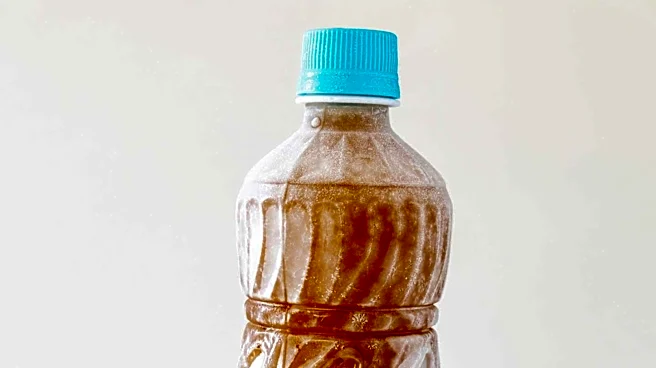
Researchers at Texas A&M University have found that exposure to polyethylene, a common plastic used in food packaging, may contribute to fatty liver disease. The study suggests that when combined with a typical Western diet high in fat and sugar, polyethylene exposure exacerbates
liver damage. The research highlights the role of the protein PPAR-Alpha in regulating fat production in the liver, and identifies ANXA2 as a gene involved in tissue repair, both of which are affected by polyethylene.
Why It's Important?
The findings raise concerns about the widespread use of polyethylene in food packaging and its potential health impacts. As fatty liver disease is a growing health issue, understanding environmental contributors like plastic exposure is crucial. The study suggests that individuals consuming a Western diet may be at higher risk, emphasizing the need for awareness and potential regulatory measures to limit exposure to harmful plastics.
What's Next?
Future research will likely focus on further understanding the molecular pathways affected by polyethylene and exploring its role in advanced stages of liver disease. The study opens new avenues for investigating the impact of environmental pollutants on health, potentially leading to stricter regulations on plastic use in food packaging.
Beyond the Headlines
The study highlights the broader issue of environmental health and the need for sustainable practices in consumer products. As awareness of microplastics and their health effects grows, there may be increased demand for alternatives to traditional plastic packaging. This could drive innovation in biodegradable materials and influence public policy on environmental health.