




What's Happening?
The Department of Justice (DOJ) has filed a lawsuit against the state of Virginia, challenging its newly enacted assault weapons ban. The lawsuit, filed in the U.S. District Court for the Eastern District of Virginia, argues that the ban infringes on the Second
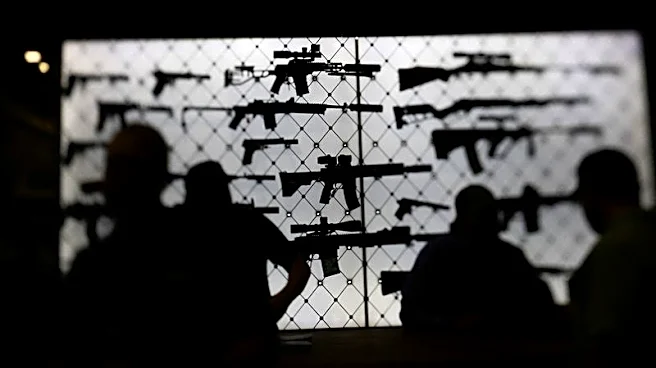
Amendment rights of law-abiding citizens. The DOJ's complaint highlights Virginia's historical role in upholding liberty and criticizes the state's legislation, SB749, which prohibits the import, manufacture, sale, purchase, or transfer of what it defines as 'assault firearms,' including AR-15-style rifles. The DOJ contends that these rifles are commonly owned for lawful purposes such as home defense and recreation. The lawsuit seeks preliminary and permanent injunctions to prevent the enforcement of the law, which is currently in effect despite local legal challenges.
Why It's Important?
This legal action by the DOJ underscores the ongoing national debate over gun control and Second Amendment rights. The outcome of this lawsuit could have significant implications for similar laws in other states, potentially affecting millions of gun owners across the country. The case also arrives at a critical time, as the U.S. Supreme Court is set to hear cases involving assault weapons restrictions in Illinois and Connecticut. A ruling in favor of the DOJ could bolster the position of gun rights advocates, while a decision upholding the ban could empower states to enact similar restrictions. The lawsuit reflects the Trump administration's commitment to protecting gun rights, aligning with the National Rifle Association's stance against what it views as unconstitutional limitations on firearm ownership.
What's Next?
The legal battle over Virginia's assault weapons ban is likely to be closely watched, as it could set a precedent for future Second Amendment litigation. The U.S. Supreme Court's upcoming decisions on related cases will be pivotal, potentially influencing the outcome of the DOJ's lawsuit. If the Court rules against assault weapons bans, it could invalidate similar laws in other states, while a decision upholding such bans would strengthen the legal framework for gun control measures. The DOJ's use of a federal civil-rights statute in this case is an unusual legal strategy, suggesting a broader approach to challenging state-level gun control laws.