





What's Happening?
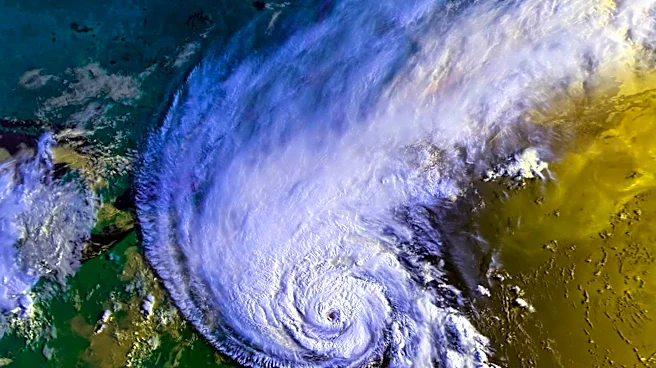
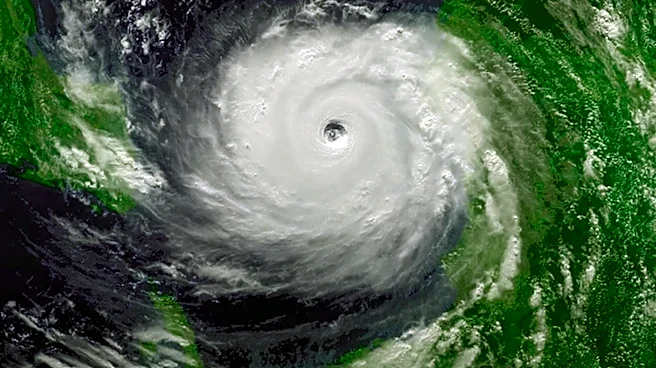
Signs of El Niño are becoming apparent in the Atlantic, contributing to a quiet start to the hurricane season. El Niño, characterized by warmer than average water temperatures in the equatorial Pacific, affects global weather patterns, including increased
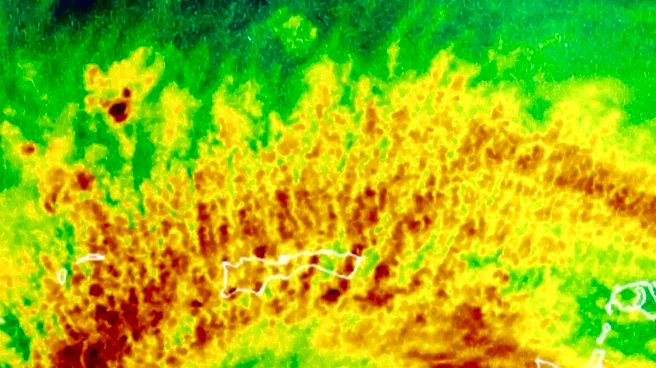
wind shear in the Atlantic. This wind shear disrupts the formation of tropical storms, resulting in a quieter hurricane season. The current conditions have led to the second-highest wind shear levels in the Caribbean since 1979, according to NOAA data. Experts suggest that El Niño's influence could continue to suppress storm activity during the peak hurricane months.
Why It's Important?
The presence of El Niño and its impact on the Atlantic hurricane season is significant for weather forecasting and disaster preparedness. A quieter hurricane season reduces the risk of severe storms and their associated damage, providing relief to coastal communities. However, the unpredictability of weather patterns means that vigilance is still necessary. Understanding El Niño's effects helps meteorologists improve forecasts and informs public safety measures. The phenomenon also highlights the interconnectedness of global climate systems and the need for comprehensive climate monitoring.