




What's Happening?
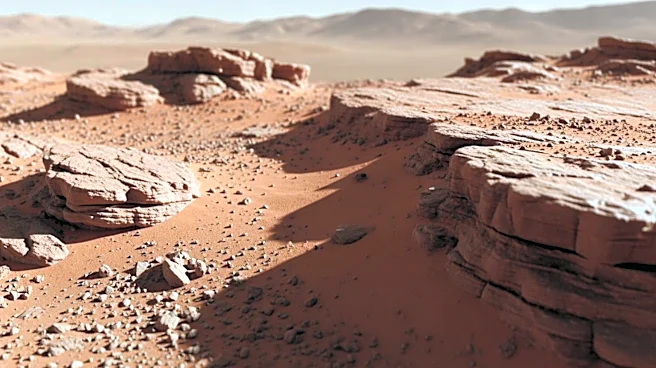
NASA's Curiosity rover has been exploring the Martian surface, focusing on the transition from boxwork terrain to a layered sulfate unit. The rover's recent drive crossed the southernmost contact of the boxwork terrain, allowing scientists to study changes
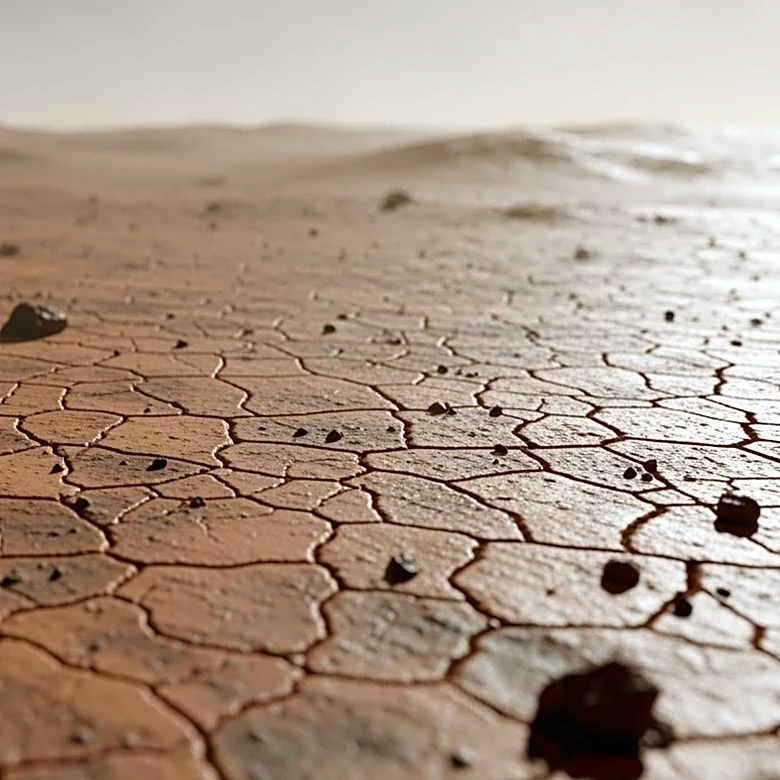
in the bedrock's composition and texture. Observations include chemical and imaging analyses of the boxwork-bearing bedrock and the layered sulfate unit. The rover's engineers repositioned it to safely conduct further analyses, including brushing and imaging the bedrock. The environmental team is also monitoring atmospheric conditions, such as opacity and potential dust-devil activity.
Why It's Important?
The investigation of Martian terrain transitions is crucial for understanding the planet's geological history and environmental conditions. By analyzing the chemical and textural differences between the boxwork terrain and the sulfate unit, scientists can infer the depositional environments and potential alterations. This research contributes to the broader understanding of Mars' past climate and the processes that shaped its surface. The findings may also inform future missions and the search for signs of past life on Mars.