

What's Happening?
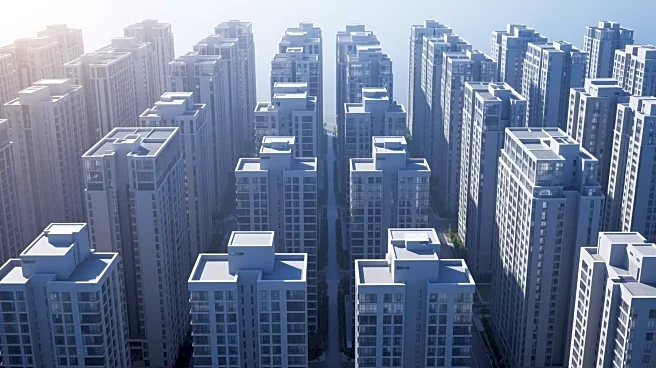
The rental market in Manhattan has become one of the most competitive in the United States, with 11 renters vying for each available apartment, according to a report by RentCafe. This marks an increase from eight renters per unit in 2024. The surge in demand
is attributed to the return of residents for in-office work mandates, coupled with a minimal 0.84% increase in new apartment availability. Despite the high demand, 66.3% of current tenants have chosen to renew their leases, leaving only 4% of units open for new renters. The report also highlights that apartments in Manhattan are being leased within an average of 36 days, which is four days faster than the previous year. Brooklyn and Queens are also experiencing competitive rental markets, with Brooklyn seeing a 5.09% increase in new apartments and Queens a 3.14% increase.
Why It's Important?
The intense competition in Manhattan's rental market underscores the broader challenges of housing affordability and availability in major urban centers. As more people return to the city for work, the limited increase in housing supply exacerbates the struggle for affordable living spaces. This situation could lead to increased rent prices, further straining the budgets of many residents. The high demand and limited supply may also push more people to consider living in outer boroughs or even outside the city, potentially impacting local economies and commuting patterns. The situation highlights the need for effective housing policies that address both supply and affordability to ensure sustainable urban living.
What's Next?
As the demand for rental units continues to outpace supply, city planners and policymakers may need to explore strategies to increase housing availability. This could involve incentivizing new construction, revising zoning laws, or implementing rent control measures to stabilize the market. Additionally, the ongoing trend of remote work could influence future housing demands, as some residents may opt for more affordable living arrangements outside the city. Stakeholders, including real estate developers and city officials, will likely need to collaborate to address these challenges and ensure that Manhattan remains an accessible place to live for a diverse population.